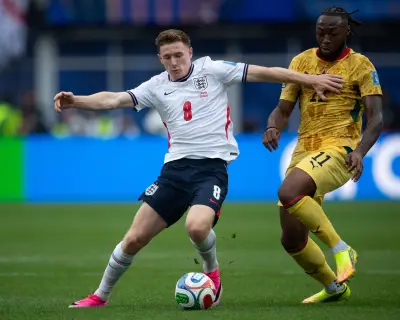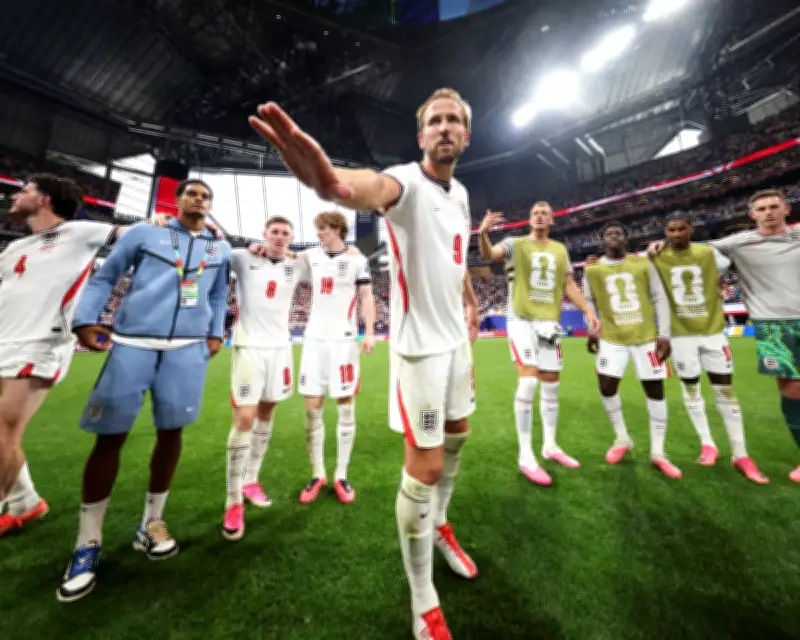
The intersection of football and geopolitics has never been more pronounced, as the World Cup becomes a stage for international diplomacy, soft power, and geopolitical tensions. England's national team, with its rich history and global fanbase, finds itself at the centre of these dynamics. This article delves into how geopolitical factors influence the tournament, from bidding processes to on-field rivalries.
The World Cup as a Geopolitical Arena
The decision to award the 2022 World Cup to Qatar sparked widespread debate, highlighting the influence of energy politics and strategic alliances. According to Dr. Simon Chadwick, a professor of sports geopolitics, "The World Cup is no longer just a sporting event; it's a tool for nations to project power and legitimacy." This trend has intensified with the 2026 tournament set to be co-hosted by the United States, Canada, and Mexico, reflecting regional integration and economic interests.
England's own bid for the 2030 World Cup, potentially alongside Ireland, underscores the UK's post-Brexit desire to strengthen ties with Europe and the world. The bid is seen as a way to rebuild diplomatic bridges and showcase British influence beyond politics.

Geopolitical Tensions on the Pitch
Matches between England and nations like Russia or Argentina often carry historical and political weight. The 2018 World Cup saw heightened security and diplomatic incidents between England and Russia, set against the backdrop of deteriorating UK-Russia relations. Similarly, the Falklands War legacy still shadows England-Argentina encounters, adding emotional intensity.
These dynamics affect player performance and fan behaviour. Sports psychologist Dr. Sarah G. notes, "Players are aware of the political narratives surrounding their games, which can either motivate or overwhelm them." The England squad's experience in high-pressure geopolitical contexts is a key factor in their preparation.
Soft Power and National Branding
Hosting the World Cup offers nations a platform to burnish their global image. For England, the 1966 victory remains a cornerstone of national pride, but modern tournaments require strategic branding. The England team's "Three Lions" brand has been leveraged to promote tourism and trade, with the Football Association (FA) partnering with UK government agencies to maximise economic impact.
Conversely, boycotts and protests can damage a host's reputation. The 2022 Qatar World Cup faced criticism over human rights, leading to calls for reform. The FA navigated these issues by engaging with Qatari authorities while advocating for workers' rights, a balancing act that reflects the complexities of modern football diplomacy.
Geopolitics of Fan Engagement
Fan behaviour is also politically charged. England supporters have a mixed reputation, with incidents of hooliganism in the past. The FA has worked to promote positive fan culture, but geopolitical tensions can spark unrest. During the 2018 tournament, English fans in Russia were advised to avoid political symbols, and security was heightened.
The rise of social media amplifies these dynamics, with fans from rival nations engaging in digital battles that mirror real-world conflicts. The England team's official accounts have been used to promote unity, but they also face backlash from politically motivated trolls.
Looking Ahead: England's Role in a Geopolitical World Cup
As the 2026 World Cup approaches, England's fixtures will be scrutinised for geopolitical significance. The team's matches against the US or Mexico could carry undertones of trade disputes or migration policy. The FA's strategy includes cultural exchanges and community programmes to foster goodwill.
Ultimately, the World Cup remains a mirror of global affairs. For England, navigating this landscape requires a blend of sporting excellence and diplomatic savvy. As the tournament evolves, so too will the interplay between football and geopolitics, with England at the heart of the action.