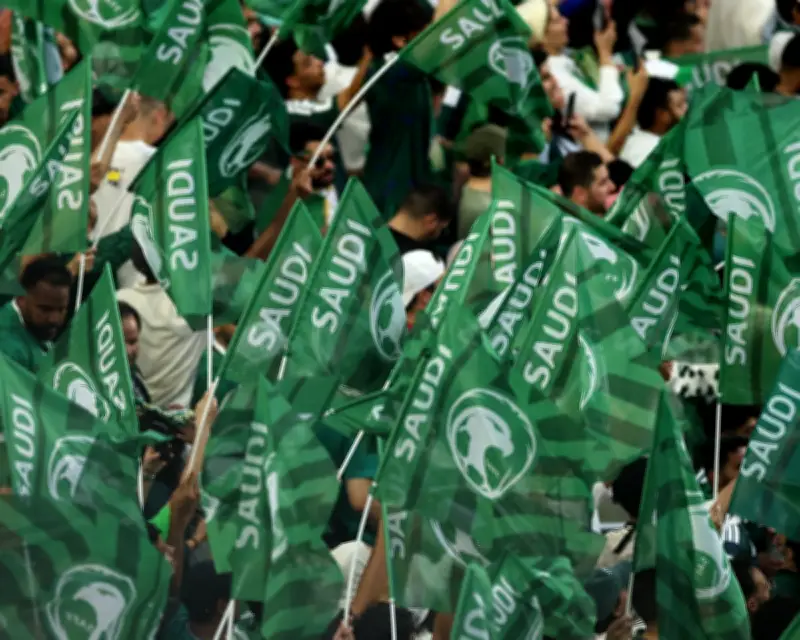
Saudi Arabia's state-owned oil giant, Aramco, has emerged as a dominant force in global football, leveraging its immense petrodollar wealth to secure influence over the sport. The company's sponsorship deals and investments have raised alarm among critics who accuse the kingdom of using football to launder its reputation, a practice known as sportswashing.
Aramco's Growing Footprint in Football
Aramco has inked multi-million dollar sponsorship agreements with major football organizations, including FIFA and the Asian Football Confederation (AFC). In 2023, Aramco became a top-tier sponsor of the FIFA World Cup, a deal reportedly worth hundreds of millions of dollars. The company also sponsors the AFC Champions League and various national teams.
According to industry analysts, Aramco's investments are part of a broader strategy by Saudi Arabia to diversify its economy and improve its global image. The kingdom has also invested heavily in domestic football, luring stars like Cristiano Ronaldo and Neymar to its Saudi Pro League.

Criticism and Concerns Over Sportswashing
Human rights groups and critics argue that these investments are an attempt to distract from Saudi Arabia's poor human rights record, including its involvement in the Yemen war and the murder of journalist Jamal Khashoggi. "Saudi Arabia is using football to whitewash its abuses," said a spokesperson for Amnesty International. "The football community must not be complicit in this sportswashing."
FIFA has defended its partnership with Aramco, stating that the sponsorship complies with its ethical guidelines. However, the controversy has led to calls for greater transparency and accountability in football governance.
Impact on the Global Game
Aramco's influence is reshaping the football landscape. The influx of Saudi money has raised player salaries and transfer fees, creating a new economic powerhouse in the sport. Critics warn that this could lead to a concentration of wealth and power, undermining competitive balance.
Despite the backlash, Saudi Arabia continues to expand its football portfolio. The kingdom is expected to bid for the 2034 FIFA World Cup, which would further cement its role in the sport. As football becomes increasingly intertwined with geopolitics, the debate over sportswashing is likely to intensify.