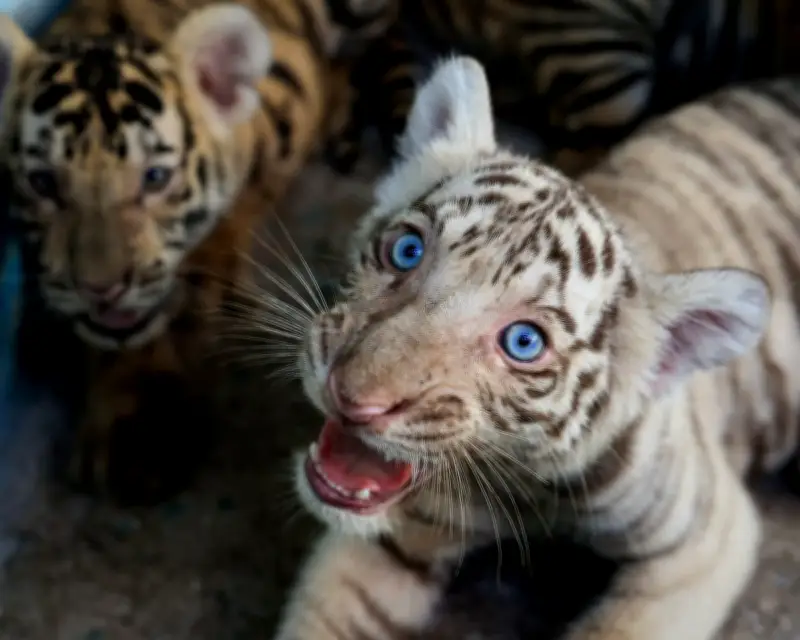
A zoo in Cuba has announced the birth of three Bengal tiger cubs, a rare and hopeful event as the nation grapples with a severe energy crisis that has hampered wildlife care across the country.
Successful Birth at Havana Zoo
The cubs, two females and one male, were born on June 30 at the National Zoo in Havana, according to zoo director Dr. Maria Lopez. The mother, a 7-year-old Bengal tiger named Luna, delivered the cubs without complications after a gestation period of about 105 days. Zoo staff reported that all three cubs are healthy and nursing well.
Bengal tigers are classified as endangered by the International Union for Conservation of Nature (IUCN), with fewer than 2,500 individuals estimated to remain in the wild. The birth is a significant achievement for the zoo, which participates in international breeding programs aimed at preserving genetic diversity.

Energy Crisis Threatens Zoo Operations
The arrival of the cubs comes during a challenging period for Cuban zoos, which have been struggling with prolonged power outages and fuel shortages. The energy crisis, exacerbated by aging infrastructure and economic sanctions, has forced many facilities to rely on backup generators to maintain climate-controlled environments essential for exotic animals.
“We are operating under extremely difficult conditions,” said Dr. Lopez. “The constant power cuts put our animals at risk, especially those requiring specific temperatures. We have had to prioritize critical areas like the nursery and the reptile house. The birth of these cubs is a testament to the dedication of our staff.”
The zoo has reported that it spends approximately 60% of its budget on fuel for generators, limiting funds available for food and medical supplies. Despite these challenges, the zoo has managed to keep its breeding programs active.
Impact on Conservation Efforts
The successful birth highlights both the resilience of Cuban zookeepers and the broader implications of the energy crisis on conservation. Cuba is home to several endangered species in captivity, and the loss of power could lead to deaths if temperature-sensitive enclosures fail.
International conservation groups have expressed concern. The World Wildlife Fund (WWF) has offered support to Cuban zoos, but logistical hurdles remain due to trade restrictions.
The cubs are expected to be introduced to the public in about eight weeks, once they are weaned and have received their initial vaccinations. The zoo hopes the newborns will draw attention to the plight of both tigers and the challenges faced by Cuban wildlife institutions.