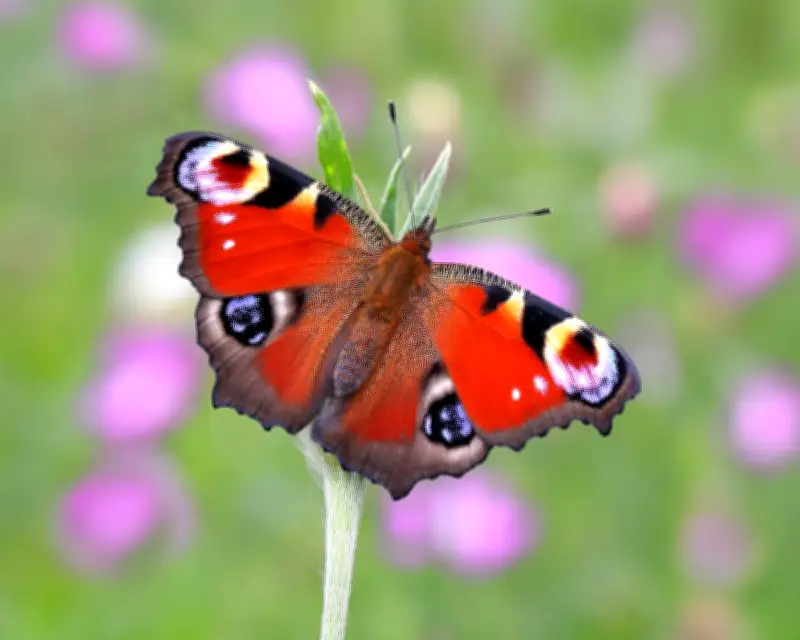
The garden peacock butterfly has been officially named Britain's favourite butterfly, according to a new survey by Butterfly Conservation. The striking insect, known for its distinctive eyespots and vibrant colours, topped the list of the nation's most beloved butterflies.
Survey Results
The survey, which polled thousands of participants across the UK, revealed that the garden peacock butterfly received the highest number of votes, beating other popular species such as the red admiral and the small tortoiseshell. The butterfly's popularity is attributed to its widespread presence in gardens and parks, as well as its eye-catching appearance.
Butterfly Conservation's chief executive, Dr. Julie Williams, expressed delight at the result. 'The garden peacock is a true gem of British nature, and it's wonderful to see it recognised as the nation's favourite,' she said. 'Its decline in recent years highlights the need for conservation efforts to protect our butterfly populations.'

Conservation Concerns
Despite its popularity, the garden peacock butterfly has faced significant challenges in recent years. Habitat loss, climate change, and pesticide use have contributed to a decline in numbers. Butterfly Conservation has called for greater action to protect butterfly habitats and promote biodiversity.
Dr. Williams added: 'We urge gardeners to plant nectar-rich flowers and avoid using pesticides to help support butterfly populations. Every garden can make a difference.'
How to Attract Garden Peacock Butterflies
Gardeners can attract garden peacock butterflies by planting nectar-rich flowers such as buddleia, lavender, and verbena. Providing a sunny spot with shelter from wind is also beneficial. The butterflies are particularly attracted to purple and pink flowers.
The garden peacock butterfly is one of the most recognisable species in the UK, with its distinctive eyespots that resemble the tail feathers of a peacock. These eyespots are used to deter predators, making the butterfly a fascinating subject for nature enthusiasts.
For more information on how to support butterfly conservation, visit the Butterfly Conservation website.