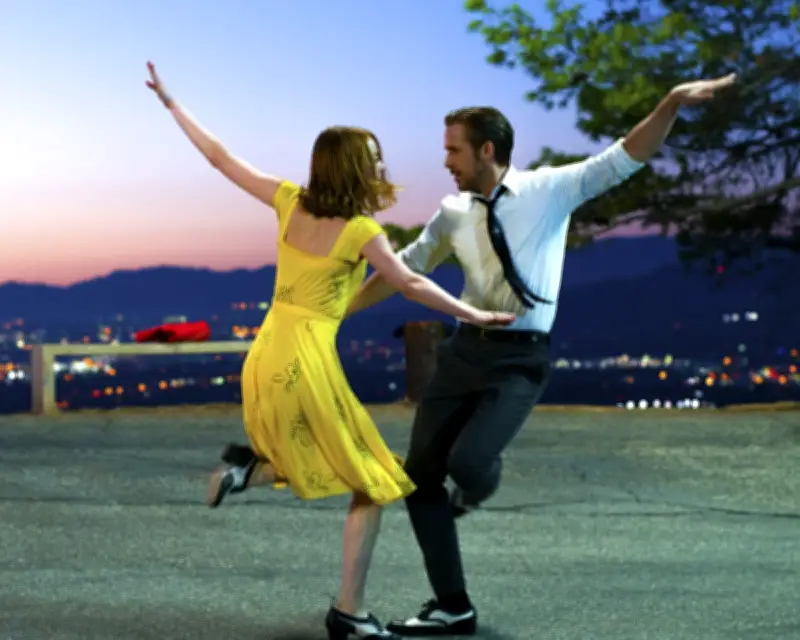
A Sydney screening of La La Land with live orchestra was rescued by a brave and skilled amateur pianist. This event is music's equivalent of catching a home run at a baseball game. The band's keyboardist fell ill and could not perform in the second half. Unable to find a replacement at short notice, conductor Justin Hurwitz asked the audience if there was a pianist in the house. Sterling Nasa answered the call and performed flawlessly, improvising a solo without missing a tempo change or key signature.
This remarkable story raises the question: could such a rescue happen in a classical concert? Indeed, similar moments have occurred. In the summer of 1974, during a Proms performance of Carl Orff's Carmina Burana by the London Symphony Orchestra and Chorus conducted by André Previn, baritone Thomas Allen collapsed into the cello section. He had fainted and was carried off stage. Previn chose to continue. Audience member Patrick McCarthy, a recent music graduate who knew the part, went backstage and offered his services. He was given a dinner jacket and performed the role flawlessly. His mother, listening at home, recognized his voice. McCarthy's heroism became a national story, and the experience gave him the confidence to pursue singing as a career.
These moments highlight the superhuman effort required to put on a classical concert. When things go wrong, we are reminded of the risks: a string breaks, an oboe reed cracks, or a soloist begins a different concerto than the orchestra. Pianist Maria João Pires famously prepared the wrong Mozart concerto for a performance with the Royal Concertgebouw Orchestra, but then played the correct one from memory flawlessly.

So next time you attend a live performance, remember that every serene moment comes from a battle with risk. The audience's energy helps carry performers through. And if things go wrong, you might just be the one to save the show, like Sterling Nasa and Patrick McCarthy.
Additionally, the world premiere of John Tavener's Krishna at Grange Park Opera finally allows audiences to hear what the composer called his most ecstatic piece. Completed in 2005, this mystic pantomime has waited until now for its first staging, directed by Sir David Pountney with choreography by Shobana Jeyasingh. Tavener's music is often cross-cultural, blending spirituality and meditation, but his The Death of Ivan Ilyich reveals a more honest, unflinching soundworld, ending in uneasy dissonance.
This week, Tom has been listening to Katia and Marielle Labèque's 55: an anthology, celebrating their 55-year career with music by Fanny Mendelssohn, Margaret Bonds, and Marie Jaëll, alongside works by David Chalmin, Bryce Dessner, and Philip Glass, including a breathtaking new version of Ravel's Mother Goose Suite.