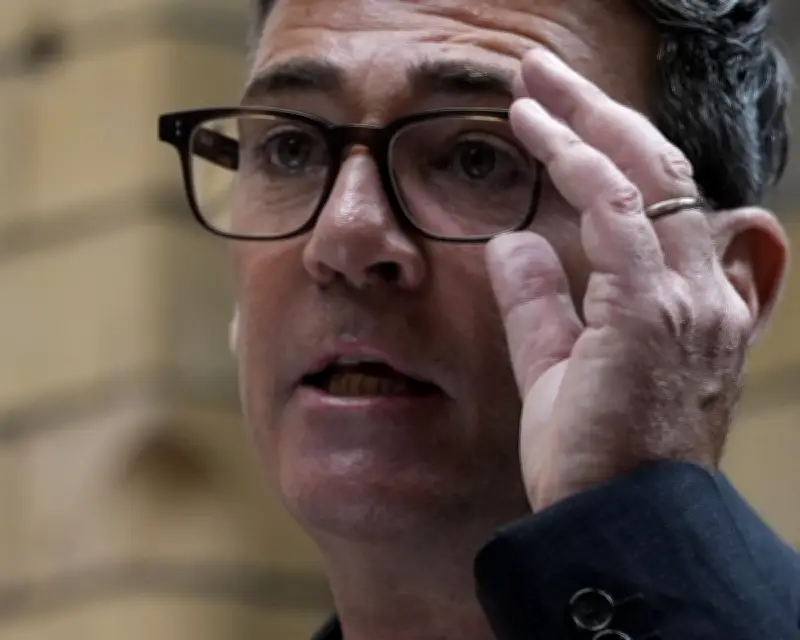
Andy Burnham, the Mayor of Greater Manchester, has proposed a sweeping overhaul of the UK's tax system, calling for the abolition of income tax and national insurance contributions. In a plan described as the most radical fiscal reform in decades, Burnham suggests replacing these levies with a single tax on transactions and wealth.
Details of the Proposal
Under Burnham's plan, income tax and national insurance—which together raise over £400 billion annually—would be scrapped. In their place, a new 'Fair Tax' would be introduced, targeting financial transactions, property wealth, and corporate profits. The proposal aims to simplify the tax system and reduce the burden on low and middle-income earners.
According to Burnham, the current system penalises work and rewards wealth accumulation. "We need a tax system that is fairer and fit for the 21st century," he said. "Our plan would ensure that the wealthiest and largest corporations pay their fair share, while ordinary workers keep more of what they earn."

Key Measures
The Fair Tax would include a 1% levy on all financial transactions, a progressive wealth tax on properties valued over £1 million, and a higher corporate tax rate for companies with profits above £10 million. Burnham estimates that these measures could raise an additional £50 billion per year, which could be used to fund public services and reduce inequality.
The proposal has drawn both support and criticism. Supporters argue it would make the system more equitable and efficient, while critics warn it could deter investment and harm economic growth. The Treasury has declined to comment, but sources indicate that the plan would require significant administrative changes and could face legal challenges.
Reactions and Analysis
Economist Dr. Sarah Green of the London School of Economics described the plan as "bold but risky." She noted that while the principle of taxing wealth is popular, implementation details are crucial. "A transaction tax could reduce market liquidity, and a wealth tax might lead to capital flight," she said.
Burnham's proposal is part of a broader push for fiscal devolution, arguing that regions should have more control over taxation. The plan will be debated at the next Labour Party conference, where it is expected to generate significant discussion.