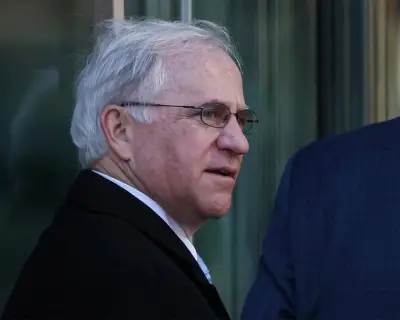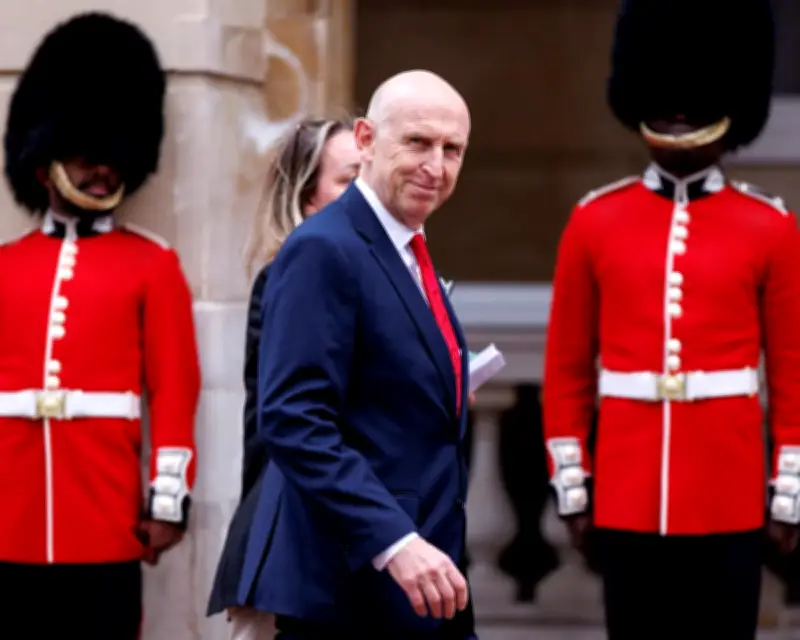
The resignation of John Healey as defence secretary has sent shockwaves through the Labour Party, undermining not only Keir Starmer's leadership but also the party's credibility on national security. Healey, a respected figure known for his steady hand, stepped down amid a controversy over his handling of a procurement scandal, leaving Starmer to face a growing crisis of confidence.
A Blow to Labour's Defence Credentials
Healey's departure is a significant setback for Labour, which has sought to position itself as a responsible and competent alternative to the Conservatives on defence matters. As defence secretary, Healey was instrumental in shaping the party's defence policy, including commitments to increase military spending and modernize the armed forces. His resignation raises questions about Labour's ability to manage the complexities of national security, a key issue for voters.
The timing could not be worse for Starmer, who is already grappling with internal divisions and declining poll numbers. The loss of a senior shadow cabinet member with Healey's experience leaves a void that will be difficult to fill, particularly as the party prepares for a general election.

Starmer's Authority Under Scrutiny
Starmer's authority has been further eroded by the circumstances surrounding Healey's resignation. Reports suggest that the defence secretary was forced out after losing the confidence of key shadow cabinet colleagues, raising questions about Starmer's control over his team. Critics within the party argue that the leader failed to provide adequate support to Healey, allowing a relatively minor controversy to escalate into a full-blown crisis.
The resignation has also reignited debates about Labour's internal culture and decision-making processes. Some MPs have called for a more transparent and inclusive approach, while others have warned that the party is becoming increasingly factionalized. Starmer's response to the crisis will be closely watched, as any sign of weakness could embolden his opponents and further destabilize the party.
Impact on National Security Debate
Healey's departure has broader implications for the national security debate in the UK. As defence secretary, he was a vocal advocate for increased investment in the armed forces and a robust response to emerging threats, including cyber warfare and Russian aggression. His resignation leaves a gap in Labour's defence team at a time when geopolitical tensions are high.
The Conservatives have been quick to exploit the situation, accusing Labour of being unfit to govern on security issues. Prime Minister Rishi Sunak said in a statement that Healey's resignation was "further evidence that Labour cannot be trusted with our nation's defence." The party will now face increased scrutiny over its defence policies and its ability to provide a credible alternative to the government.
What Next for Labour?
Starmer now faces the difficult task of appointing a new defence secretary and restoring confidence in his leadership. Potential candidates include shadow foreign secretary David Lammy and shadow home secretary Yvette Cooper, both of whom have extensive experience in security matters. However, any appointment will be seen as a test of Starmer's judgment and his ability to unite the party.
The broader challenge for Labour is to move beyond the immediate crisis and refocus on the issues that matter to voters, such as the cost of living, healthcare, and education. The party's internal turmoil has allowed the Conservatives to regain some ground in the polls, and Labour will need to demonstrate that it is a serious and credible alternative to the government.
In the long term, Healey's resignation may prove to be a turning point for Labour. If Starmer can handle the crisis effectively and appoint a strong successor, he may be able to emerge stronger. However, if the party continues to be plagued by infighting and instability, its chances of winning the next election will be severely diminished.