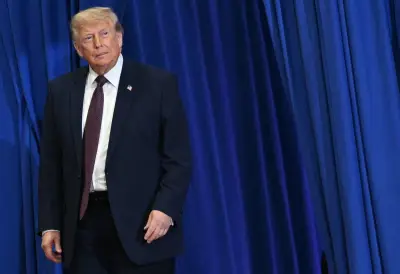
The Supreme Court has issued a landmark 6-3 decision in the case of Trump v Slaughter, significantly expanding the scope of presidential immunity for official acts. The ruling, delivered on June 30, 2026, holds that former presidents are entitled to absolute immunity from civil liability for actions taken within the outer perimeter of their official responsibilities. This decision marks a dramatic shift in the balance of power between the executive branch and the judiciary.
Background of the Case
The case originated from a lawsuit filed by John Slaughter, a former White House aide, who alleged that President Trump defamed him in official statements made in 2020. Slaughter claimed that Trump's remarks caused him emotional distress and damaged his reputation. The lower courts had allowed the suit to proceed, but the Supreme Court reversed those decisions.
Chief Justice John Roberts, writing for the majority, argued that the president must be able to perform his duties without fear of personal liability. "The presidency is an office that requires bold and decisive action," Roberts wrote. "Subjecting a former president to civil suits for official acts would chill executive decision-making and undermine the functioning of the government." The ruling effectively shields presidents from lawsuits arising from their official conduct, even after leaving office.

Dissenting Opinions
Justice Elena Kagan, in a sharp dissent joined by Justices Sonia Sotomayor and Ketanji Brown Jackson, warned that the decision grants presidents a "license to harm" without accountability. "This court has created a monarchical immunity that the founders never intended," Kagan wrote. "The president is not above the law, and this ruling sets a dangerous precedent for future abuses of power." The dissent emphasized that the ruling could allow presidents to engage in defamation, retaliation, or other misconduct with impunity.
Implications for Presidential Power
The decision has immediate and far-reaching consequences. Legal experts say it could affect pending cases against Trump, including those related to his business dealings and the January 6 Capitol attack. The ruling may also embolden future presidents to act more aggressively, knowing they are shielded from civil liability. According to constitutional scholar Laurence Tribe, "This is the most significant expansion of executive power since the Nixon era. It fundamentally alters the relationship between the president and the rule of law."
Congressional Democrats have vowed to introduce legislation limiting presidential immunity, though such efforts face steep odds in a divided Congress. The White House declined to comment on the ruling, but press secretary Karine Jean-Pierre said the administration is reviewing the decision.
Reactions and Next Steps
Reaction to the ruling has been sharply divided. Supporters of the president hailed it as a victory for the executive branch and a necessary protection for presidential decision-making. "This decision ensures that presidents can focus on governing without the distraction of frivolous lawsuits," said Mike Davis, a former Trump administration official. Critics, however, see it as a blow to accountability and a green light for presidential misconduct. "This ruling gives presidents a blank check to abuse their power," said Norm Eisen, a former White House ethics counsel.
The case is likely to be cited in future disputes over executive authority, including ongoing investigations into Trump's actions. Legal analysts expect the ruling to be challenged in subsequent cases, potentially narrowing its scope. For now, the Supreme Court has firmly placed the presidency on a higher legal plane than any other branch of government.