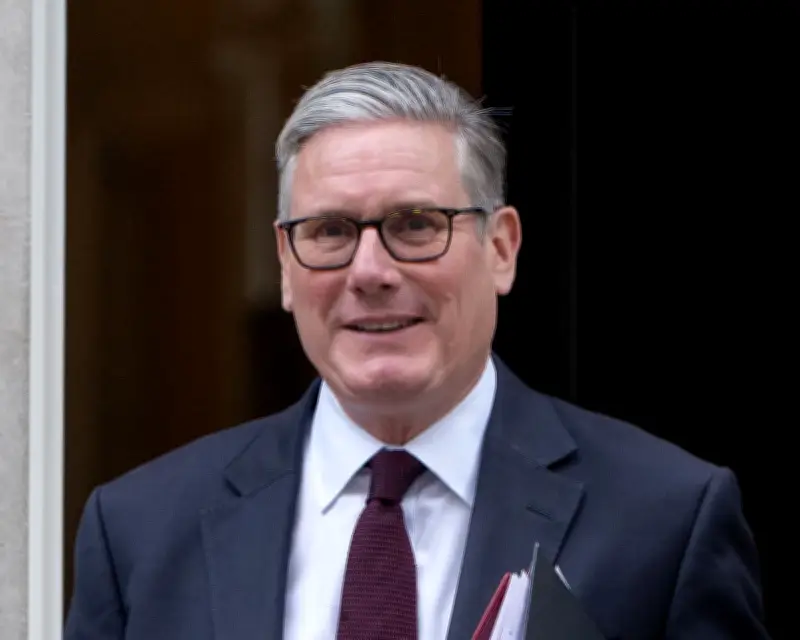
At Prime Minister's Questions on Wednesday, Keir Starmer robustly defended his government's defence investment plan against sharp criticism from Conservative leader Kemi Badenoch. The exchange highlighted the deepening divide over national security spending priorities.
Starmer's Defence of the Plan
Starmer argued that the plan represents the most significant increase in defence spending in a generation, committing an additional £15 billion over the next four years. He emphasized that the investment would modernise the armed forces, enhance cyber capabilities, and strengthen NATO commitments. "This is a government that puts national security first," Starmer said, dismissing Badenoch's claims that the plan was inadequate.
Badenoch's Criticism
Badenoch countered that the investment falls short of what is needed, accusing Starmer of "failing to match the scale of the threat." She pointed to a recent report from the Defence Committee warning of critical capability gaps. "The prime minister's plan is a sticking plaster," she said, "when what we need is a full-scale overhaul." She called for defence spending to reach 3% of GDP by 2030, up from the current 2.3% target.

Economic Context
The debate comes amid broader economic pressures, with the government facing tough choices on public spending. Starmer stressed that the defence plan is fully costed and will not require borrowing, funded instead by efficiency savings and a new levy on tech giants. Treasury officials confirmed that the levy is expected to raise £3 billion annually by 2028.
Reaction from Defence Experts
Defence analysts were divided. Professor Sarah Jones of the Royal United Services Institute described the plan as "a step in the right direction but not transformative." She noted that while the additional funding addresses some immediate concerns, long-term structural reforms are still needed. Meanwhile, retired General Sir Mark Carleton-Smith backed Starmer, saying the plan "strikes the right balance between investment and fiscal responsibility."
Political Fallout
The exchange is likely to feature prominently in the upcoming election campaign. Labour MPs rallied behind Starmer, with shadow defence secretary John Healey calling Badenoch's criticism "reckless" and "unfunded." Conservative MPs, however, seized on the issue, with several tabling a motion demanding a full parliamentary debate on defence spending levels.
Next Steps
The government is expected to publish a detailed defence review in the autumn, outlining specific procurement programmes and troop deployments. Starmer confirmed that the review would be "the most comprehensive since the end of the Cold War." Meanwhile, Badenoch has pledged to make defence the centrepiece of her party's election platform, promising a "serious plan for a dangerous world."