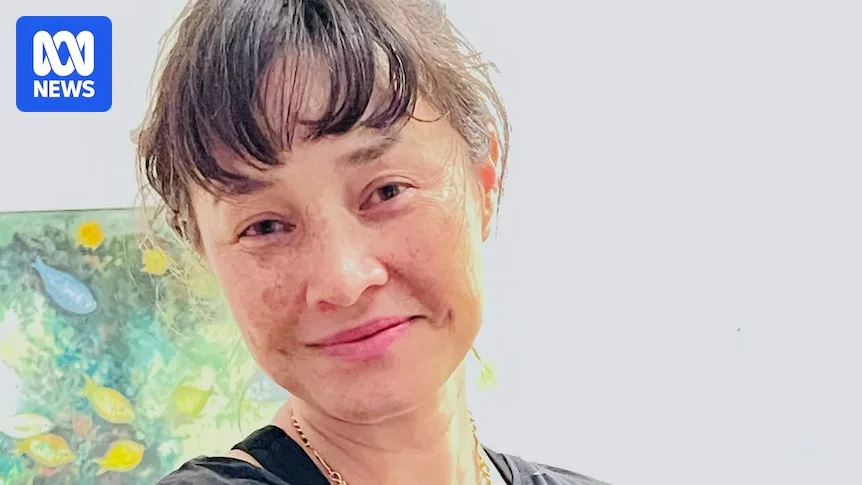
The mother of a Bondi Junction stabbing victim has called for a national approach to mental health care, saying her family faced significant delays and inconsistencies in accessing support after the attack. Elizabeth Young said her daughter Jade Young, an architect and mother of two, was among six people fatally stabbed by Joel Cauchi at Westfield Bondi Junction in April.
Ms Young told a mental health forum that family members in New South Wales received 'unconditional support' from specialist mental health practitioners, but relatives in other states struggled. Her son PJ, who lives in Tasmania, had to navigate finding his own specialist support out-of-pocket after the sole Hobart provider did not return calls. It took six weeks before he could speak to a psychologist, while his young children are yet to see a specialist trauma child psychologist.
'Please, in the long shadow of the horror of Jade's death, I beg you ... actually do something about the discrepancies, the disparities, the inconsistencies in current mental health funding and management,' Ms Young said. She urged governments to find the courage to work together for a coordinated national approach so that no matter where you live, you can receive the care you need.

Independent MP Allegra Spender, whose electorate includes Bondi Junction, described mental health responsibilities as a 'patchwork' split between different governments. She said the federal government funds GPs, state governments fund hospitals, and Headspace is federally funded, creating inconsistencies. A NSW Health report in May found a nearly 30 per cent shortfall in service capacity for people with severe and complex mental health needs, equating to 58,000 people in NSW and about 170,000 nationwide.
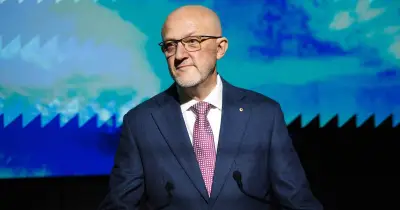
The Tasmanian government said it had dedicated $410 million over the past decade to deliver a 'contemporary and accessible state-wide model of public mental health care,' including employing more full-time staff and funding a public phone line and walk-in services. National Mental Health Commissioner Kerry Hawkins said hundreds of thousands of Australians were living in 'quiet despair' leading to emotional distress.