Discipline matters, Labour whips tell Andy Burnham as he seeks a more tolerant approach. Former and current whips reject the idea their job is about intimidation as they tell the likely next prime minister that consensus is key.
Iraq war compromise
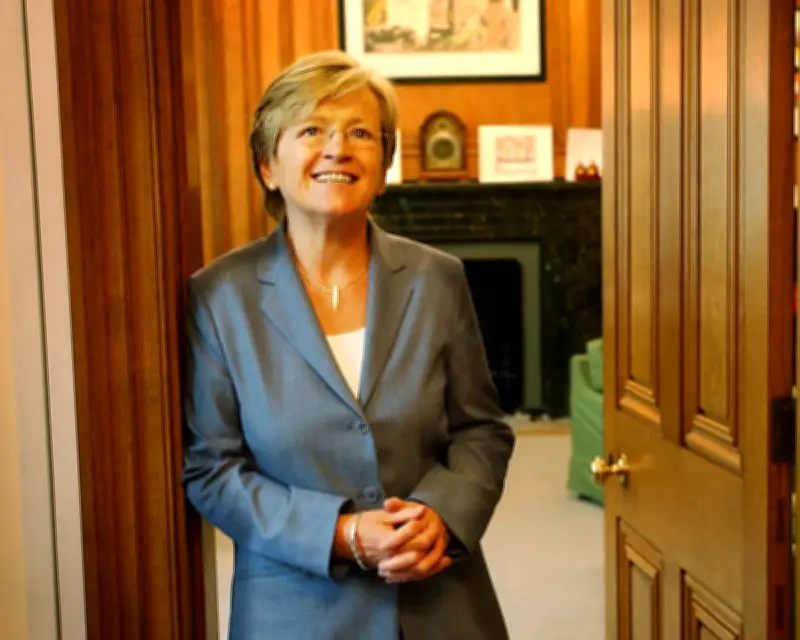
When Hilary Armstrong was dealing with the biggest challenge in her five and a half years as Labour’s chief whip, Tony Blair was on the brink of invading Iraq. How did she handle Labour MPs who could not bring themselves to support such a decision? “We made sure that people were able to express their conscience but that we would get enough support for the government to get our legislation through,” she said. “We tried to make sure that amendments accommodated what people were concerned about.”
Blair’s apparent rule on party discipline – “Oh we don’t want to go into suspensions, we’ll make them heroes” – stood in contrast to Keir Starmer’s, she said. More than 20 years later, the question of whether whips should compromise or lay down the law remains a central one for Blair and Armstrong’s successors.

Burnham’s promise of a new culture
Andy Burnham, the former Blairite minister who is now a soft-left prime minister in waiting, has made big promises to tackle the frustrations MPs have had with Starmer’s style of strict party management and discipline. Starmer routinely withdrew the whip from MPs deemed rebellious, part of the “usual suspects”. The night before nominations for the Labour leadership opened, Burnham wrote a letter to Labour MPs saying he would change that culture and allow MPs to speak about their disagreements without fearing retribution from the whips.
“I want to create a different culture where MPs are happy and fulfilled doing their jobs, where everyone has a part to play and where opinions and approaches are respected, even where there’s difference,” Burnham wrote. “The whips’ office should be our HR department, not something to be feared or where discipline is used to stifle debate.”
Blair’s consensus-building
Despite the difficulties within Labour over Iraq, Armstrong claimed, Blair did seek to build consensus rather than shut down argument. “What Blair did was lots of work and engagement with the parliamentary Labour party, and he would say to the PLP at the beginning of every meeting, ‘I know that for some of you, you cannot go where I am taking the government. But [at the same time] I understand that you’re doing so because of your beliefs and your conscience, I need you to accept that I’m doing this because of my beliefs and my conscience about what’s going on in the world’.”
Armstrong believes Burnham is reviving an element of the hope Blair had when she was appointed chief whip. “When I got that job, he told me, ‘I’m appointing you because this is the most political job in cabinet, you’ve got politics to your fingertips, and I want to change the view of whipping being about intimidation and bullying. It’s about politics’.”
Current whip defends Starmer’s approach
But a current whip disagreed with the perception that the whips under Starmer used an iron-fist approach. They said Starmer’s whips’ office as a whole “had taken a more relaxed approach to party discipline, but problems arose because No 10 staff were not listening to the whips who had shared concerns they’d heard from their group of MPs”. While they agreed with Burnham’s earlier engagement on policy, they disagreed with his view of the previous culture, saying: “The whips’ office has not been heavy-handed; if anything we’ve intentionally tried not to be.”
Another government figure said there would always need to be “a level of discipline somewhere” – otherwise MPs would rebel on confidence-vote matters that could bring down the government.
Optimism and scepticism
But a former Labour whip was left optimistic after reading Burnham’s letter. “Saying this is the start of doing it. I believe it’s possible. It just needs to be made known that certain practices aren’t tolerated, for example, [not] talking to colleagues with respect.”

A Labour veteran linked to the government whips’ office said that if Burnham managed to get “policy right earlier, we won’t need public rows”. They added: “It did feel like we’ve approached the 25th anniversary of The Office series and Burnham’s already playing David Brent, trying to get his best boss mug early on. We of course need to be good cops, and sometimes bad cops. I’m just not sure if this is magical thinking or wishful thinking.”
What worried one government figure was a return to bitter internal Labour infighting that risked pitting minorities against one another.
Conservative chief whip’s view
But for Simon Hart, a former Conservative chief whip who wrote a book on the subject, Burnham’s commitment to “gentle whipping” in fact “exposes a huge misunderstanding of what whips actually do”. “The notion that [whips] are all about blackmail, force and veiled threats is – sadly! – not how it is in the real world,” he said. “Where there are red lines there is good reason for them. Collective endeavour is important; delivering the manifesto is crucial in terms of public trust. If hard-working loyal MPs see their colleagues taking the mickey without any real sanction, Burnham’s dream of one big happy family working together won’t last long.”