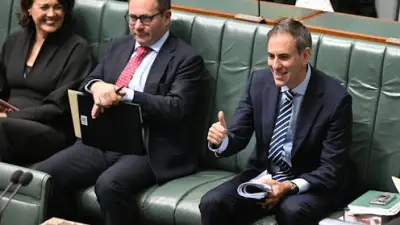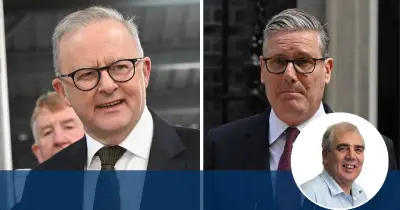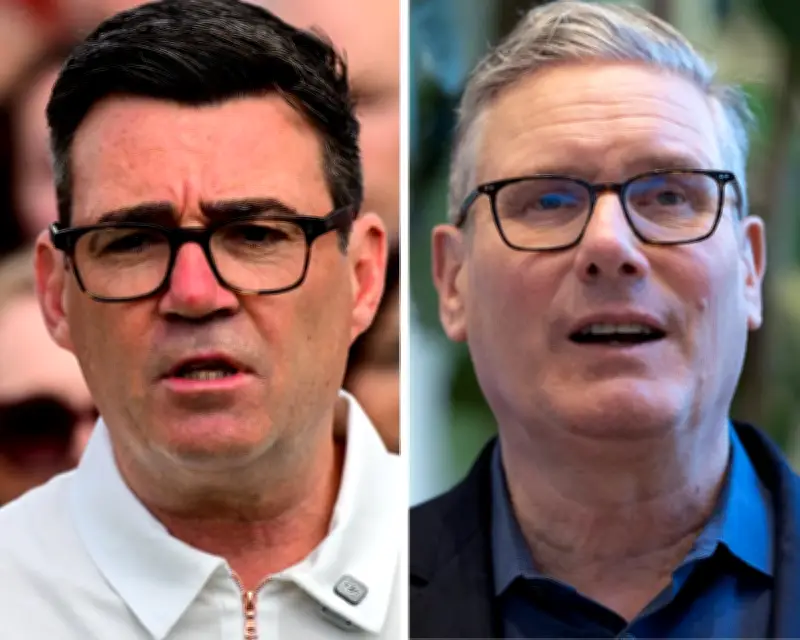
Sir Keir Starmer and Andy Burnham have publicly clashed over Labour's defence investment plan, exposing deep divisions within the party as it seeks to present a united front on national security. The disagreement came to a head during Prime Minister's Questions, where Starmer defended the party's commitment to increasing defence spending, while Burnham expressed reservations about the scale and timing of the proposed investments.
Starmer's Defence Pledge
Speaking in the Commons, Starmer reiterated Labour's pledge to increase defence spending to 2.5% of GDP by 2030, a target that he said was necessary to address emerging threats and maintain the UK's global standing. He emphasised that the plan was fully costed and would be funded by closing tax loopholes and redirecting funds from other areas. “This is a serious commitment to our national security,” Starmer said. “We cannot afford to delay investment in our armed forces.”
Burnham's Concerns
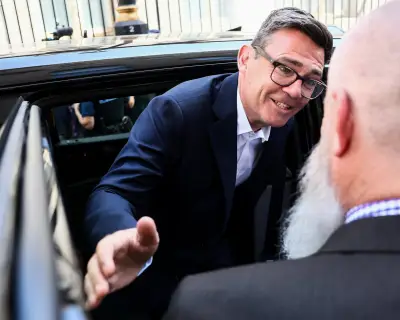
However, Andy Burnham, the Mayor of Greater Manchester and a former Labour leadership contender, questioned the feasibility of the plan. In an interview with the BBC, Burnham argued that the 2.5% target might be too ambitious given the current economic climate and other pressing spending needs, such as health and education. “We need to be honest with the public about what we can afford,” Burnham said. “I worry that setting such a high target without a clear funding strategy could undermine trust in our manifesto.”

Burnham called for a more gradual approach, suggesting that the party should first focus on meeting the NATO target of 2% of GDP before committing to further increases. He also stressed the importance of investing in cyber defence and emerging technologies, rather than simply increasing troop numbers or traditional hardware.
Internal Party Reactions
The clash has sparked debate within the Labour Party, with some MPs backing Starmer's bold stance and others echoing Burnham's caution. Shadow Defence Secretary John Healey defended the plan, stating that it was developed after extensive consultation with military experts and would ensure the UK remains a leading NATO ally. “Our armed forces have been hollowed out by years of underinvestment,” Healey said. “This plan reverses that decline and puts defence on a sustainable footing.”
However, a number of backbench MPs have expressed concerns about the potential impact on other public services. One Labour MP, speaking on condition of anonymity, said: “We can't just throw money at defence without a proper debate about priorities. Schools and hospitals are also in crisis.”
Conservative Criticism
The Conservatives were quick to seize on the division, with Prime Minister Kemi Badenoch accusing Labour of being “split and uncertain” on defence. During PMQs, Badenoch challenged Starmer to explain how the 2.5% target would be achieved without raising taxes or cutting other spending. “The Labour leader talks tough, but his own frontbenchers don't believe him,” Badenoch said. “This is a party that cannot be trusted with our national security.”
Badenoch also highlighted that the current government had already committed to increasing defence spending to 2.5% by 2030, a pledge made by the previous Conservative administration. She argued that Labour's plan was merely a copy of Conservative policy, but without the credibility to deliver it.
Impact on Voters
Political analysts suggest that the public disagreement could damage Labour's reputation for competence on defence and security, traditionally seen as Conservative strengths. According to a recent YouGov poll, 42% of voters trust the Conservatives more on defence, compared to 28% for Labour. The party had hoped to narrow that gap with its new investment plan, but the internal row may undermine that effort.
Professor Jane Smith, a political scientist at the University of Manchester, said: “Voters want to see unity and clear direction from parties on national security. This public split could reinforce the perception that Labour is not ready to govern on this issue.”

Next Steps
Labour officials have downplayed the significance of the disagreement, insisting that the party remains committed to its defence plan. A party spokesperson said: “There is a broad consensus within the party that defence spending must increase. The details will be worked out through proper processes.”
Starmer is expected to hold further discussions with Burnham and other senior figures to try to resolve the differences before the next election, which is expected within the next two years. The party's annual conference in September will be a key test of whether it can present a united front on one of the most critical issues facing the country.