UK ministers have reacted with fury after the government announced sweeping cuts to major road projects, redirecting billions of pounds towards defence spending. The decision, revealed in a Treasury review, has sparked a political firestorm, with local MPs and transport groups accusing the government of abandoning key infrastructure promises.
Billions diverted from roads to defence
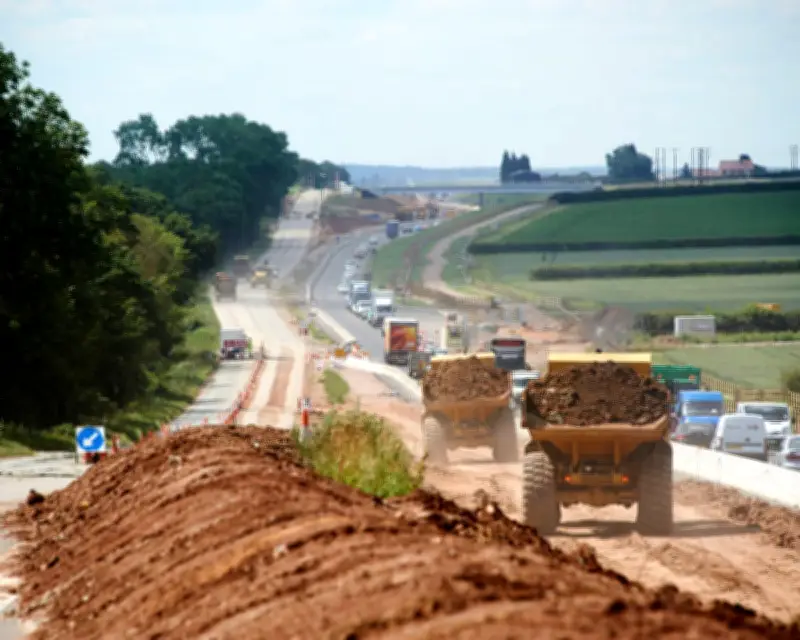
The Treasury review, published on Wednesday, confirmed that at least £8.5 billion earmarked for road upgrades and new motorway links will be reallocated to the Ministry of Defence over the next five years. Projects affected include the long-awaited A303 tunnel near Stonehenge, the Lower Thames Crossing, and upgrades to the M62 and A1. The government argues that the shift is necessary to meet NATO's target of spending 2.5% of GDP on defence by 2030, a pledge made by the prime minister earlier this year.
"We face a more dangerous world, and our armed forces need the resources to keep us safe," a Treasury spokesperson said. "Tough choices are required, and we believe this reallocation is in the national interest."

Ministers and MPs voice anger
However, the decision has infuriated several cabinet members and backbench MPs, particularly those representing regions that stood to benefit from the now-cancelled projects. Transport Secretary Mark Harper expressed dismay, stating, "I have fought hard for these investments, which are vital for economic growth and levelling up. This is a betrayal of communities that have waited decades for better roads."
Local MP Sarah Johnson, whose constituency includes the planned A303 tunnel, called the move "a kick in the teeth" and vowed to campaign against it. "Our area has been promised this tunnel for years. It's not just about traffic—it's about jobs, tourism, and safety," she said.
Economic and environmental impact
Business groups have also criticised the cuts, warning that they will hamper productivity and supply chains. The Confederation of British Industry (CBI) estimated that the scrapped projects would have supported over 50,000 jobs and reduced congestion costs by £2 billion annually. Meanwhile, environmental campaigners have given cautious support, arguing that the money could be better spent on public transport and green initiatives. But Transport Action Network director Chris Todd cautioned, "Simply slashing road budgets without a comprehensive plan for alternatives is short-sighted."
Defence spending boost welcomed by military
The Ministry of Defence has welcomed the additional funding, which will be used to modernise the army's armoured vehicles, upgrade naval shipyards, and bolster cyber defences. Defence Secretary John Healey said, "This investment ensures our armed forces have the cutting-edge equipment they need to protect our country. It is a direct response to the threats we face from state actors and terrorism."
According to a senior military source, the funds will also support the recruitment and retention of personnel, addressing a persistent shortage of troops. The source said, "We have been underfunded for too long. This is a significant step towards rebuilding our capabilities."
Political backlash and potential rebellion
The decision has intensified tensions within the governing party, with some MPs warning of a rebellion in a forthcoming Commons vote on the spending review. Conservative MP James Gray, chair of the transport select committee, said, "This is a short-term fix that will damage our infrastructure for decades. I cannot support it." Labour has seized on the controversy, accusing the government of breaking its promises on levelling up. Shadow Transport Secretary Louise Haigh said, "They promised to build, build, build—instead they are cutting, cutting, cutting. This is a disaster for the North and the Midlands."
The Treasury has insisted that the review is not a final decision and that consultations with local authorities will continue. However, with the defence budget already under strain, analysts expect the cuts to be implemented in full. The row is set to dominate the political agenda in the coming weeks, as the government seeks to balance its fiscal commitments with growing demands for both security and infrastructure investment.