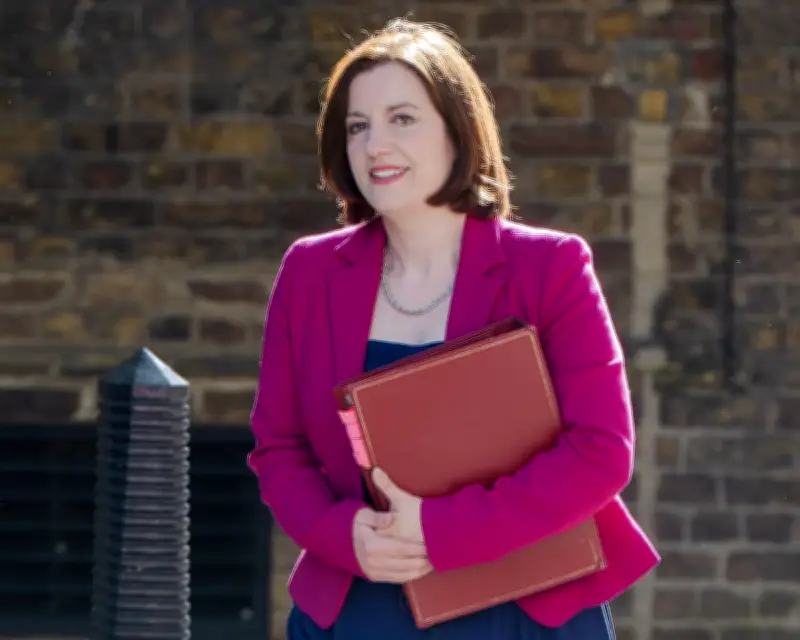
The United Kingdom government has delivered a comprehensive apology to survivors of forced adoptions, a historic injustice that has left deep scars on countless families. Education Secretary Bridget Phillipson made the official statement in Parliament, expressing profound regret for the state's role in coercing mothers into giving up their babies between the 1940s and 1970s.
Official Apology in Parliament
Speaking before the House of Commons, Phillipson acknowledged that the government's past policies had caused immense suffering. She stated that the apology was long overdue and that the government accepted responsibility for the trauma inflicted on mothers and children. The apology comes after years of campaigning by survivors and advocacy groups who have demanded recognition and accountability.
Phillipson emphasized that the forced adoption practices were not only wrong but also represented a systemic failure by the state. She highlighted that many mothers were pressured, misled, or outright coerced into giving up their children, often with no support or recourse. The apology aims to begin a process of healing and reconciliation.

Survivor Reactions and Calls for Action
Survivors of forced adoptions have welcomed the apology but stressed that words must be followed by concrete actions. Many have called for a formal inquiry into the practices, as well as support services for those affected. Some have also demanded compensation for the lifelong emotional and psychological damage caused.
Advocacy groups have praised the government's step but caution that it is only the beginning. They urge the establishment of a dedicated fund to help survivors access counseling, legal aid, and other resources. The government has indicated that it will consult with survivors to determine the best way forward.
Historical Context and Impact
Forced adoptions were widespread in the UK during the mid-20th century, often targeting unmarried mothers who were deemed unfit to raise their children. Many were sent to mother-and-baby homes where they were pressured to sign adoption papers. The practice led to long-term trauma for both mothers and children, many of whom grew up unaware of their origins.
In recent years, several countries, including Australia and Ireland, have issued apologies and conducted inquiries into forced adoptions. The UK's apology aligns with a global reckoning with this dark chapter in social policy. The government has promised to publish a full account of the historical practices and to ensure that such injustices never recur.