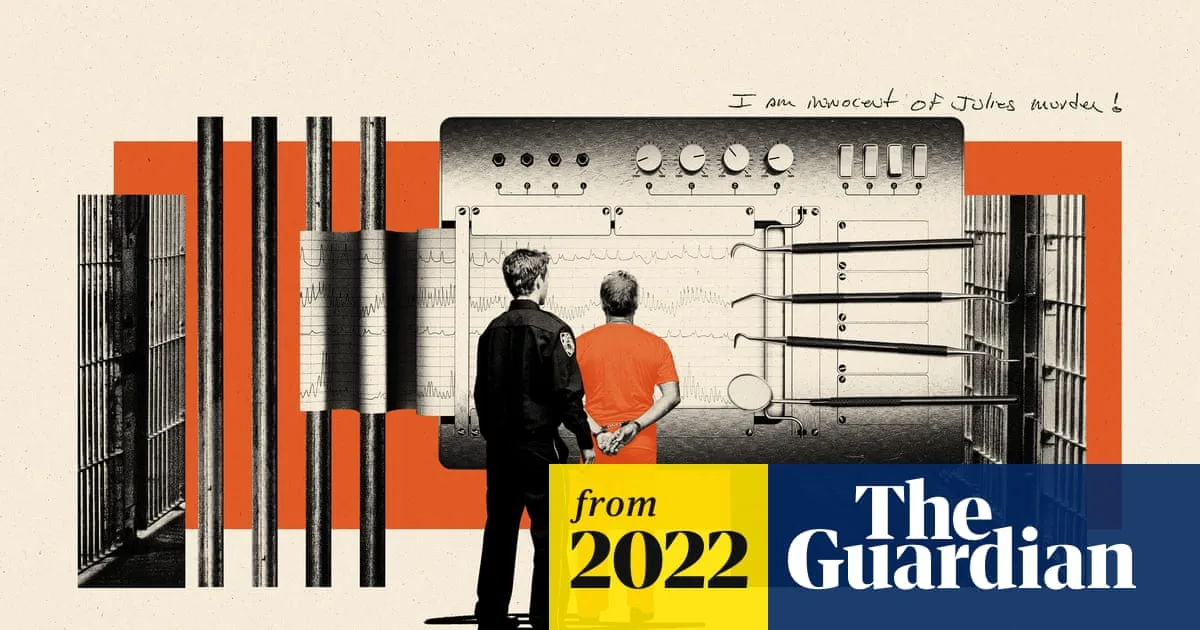
In a dramatic development in a decades-old murder case, a forensic expert has rejected claims that crime scene photos were tampered with, potentially undermining the defense's efforts to overturn a conviction. The case involves Charles McCrory, who has spent 37 years in prison for the murder of his wife, Julie Bonds, in Andalusia, Alabama.
McCrory was convicted in 1985 largely on the strength of bite mark evidence presented by dentist Richard Souviron, a pioneer in the field. However, Souviron's initial report had been cautious, stating that the two puncture marks on the victim's arm were insufficiently distinct for a positive match. In court, he testified that the marks were teeth marks made by McCrory, a shift that McCrory says was devastating.
Chris Fabricant, McCrory's current lawyer and director of strategic litigation at the Innocence Project, is leading the effort to clear his client's name. Fabricant is a prominent critic of what he calls 'junk science' in the criminal justice system, arguing that techniques like bite mark analysis lack empirical support and are subjective speculation.

Fabricant's new book, 'Junk Science and the American Criminal Justice System,' details how forensic methods often emerged from crime scenes rather than scientific laboratories, prioritizing conviction over rigorous testing. The case highlights ongoing concerns about the reliability of forensic evidence in court.