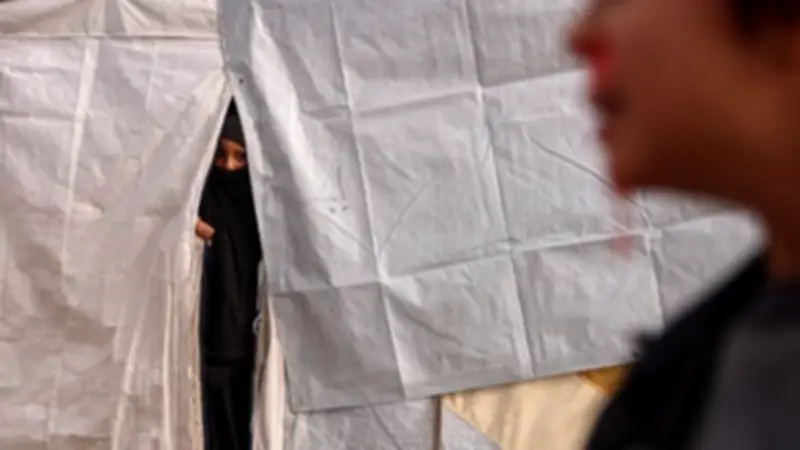
The final Australian woman linked to Islamic State (IS) has been granted a permit to return home from Syria, ending years of legal limbo. Minister for Home Affairs Tony Burke confirmed the government issued the permit after receiving advice that the temporary exclusion order could no longer be enforced. The woman, who had been living at the Al Roj Camp in Syria, will be allowed to re-enter Australia with her child.
Temporary Exclusion Orders Explained
Under Australian counterterrorism law, the government can issue temporary exclusion orders to prevent citizens suspected of terrorist sympathies from returning. These orders block the issuance of travel documents for up to two years. However, citizens without dual citizenship can apply for a permit to return, which functions as a single-use passport. International and domestic law requires governments to facilitate a citizen's return to their home country. In this case, the government lacked a strong legal basis to continue the exclusion, according to Burke.
Legal and Safety Considerations
Temporary exclusion orders are designed as a stopgap to allow authorities time for background checks and surveillance arrangements. ASIO Director-General Mike Burgess stated, "ASIO is not all-seeing and all-knowing and we don’t want to be, but I can assure [you] that actually the full use of my organisation’s capability and powers will be used when this individual returns to this country." The woman is the last of a group of Australian women who left to join IS in the 2010s. Earlier this year, four IS families returned, and multiple women were charged with crimes against humanity, including slave-related offences.

Repatriation as a Safer Strategy
Leaving Australians in Syrian camps poses risks of radicalization and propaganda. Islamic State-aligned individuals exert hostile control in camps, and excluded citizens can be used for propaganda. Neil Prakash, who had his citizenship revoked, featured prominently in IS online recruitment. Australia has resources for monitoring and rehabilitation, making repatriation the safest option. The woman will face strict conditions, including 24-hour notice for internet or phone use. As counterintuitive as it may seem, everyone is safer when they’re on Australian soil, according to security experts.