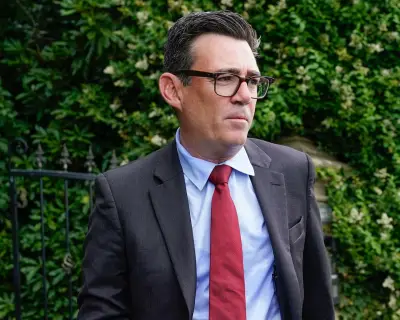
Greater Manchester Mayor Andy Burnham's ambitious drive for further devolution is encountering significant obstacles, according to a new analysis. The report highlights concerns over the lack of a clear roadmap and potential clashes with existing local government arrangements.
Key Challenges Identified
The analysis, conducted by the Institute for Government, points to several unresolved issues in Burnham's proposals. These include vague definitions of which powers would be transferred, uncertainty over funding, and the risk of creating a “two-tier” system that could undermine district councils.
Burnham has been a prominent advocate for devolution, arguing that Greater Manchester needs more control over areas like transport, housing, and skills to boost economic growth. However, the institute warns that without a detailed plan, the process could stall or lead to unintended consequences.

Reactions from Local Leaders
Local council leaders have expressed mixed views. Some support the principle of devolution but worry about the impact on their own authorities. “We need clarity on how this will work in practice,” said a spokesperson for the Greater Manchester Combined Authority. “Devolution must benefit all parts of the region, not just the center.”
The report also notes that Whitehall departments have been slow to engage, with some officials questioning the capacity of combined authorities to handle additional responsibilities. “There is a real risk that devolution becomes a slogan rather than a reality,” the institute's director said.
Next Steps
Burnham has called for a “devolution revolution” and is pushing for a new deal with the government. However, the analysis suggests that progress will require more detailed proposals and stronger buy-in from both local and national stakeholders. Without these, the drive for greater autonomy may remain aspirational.