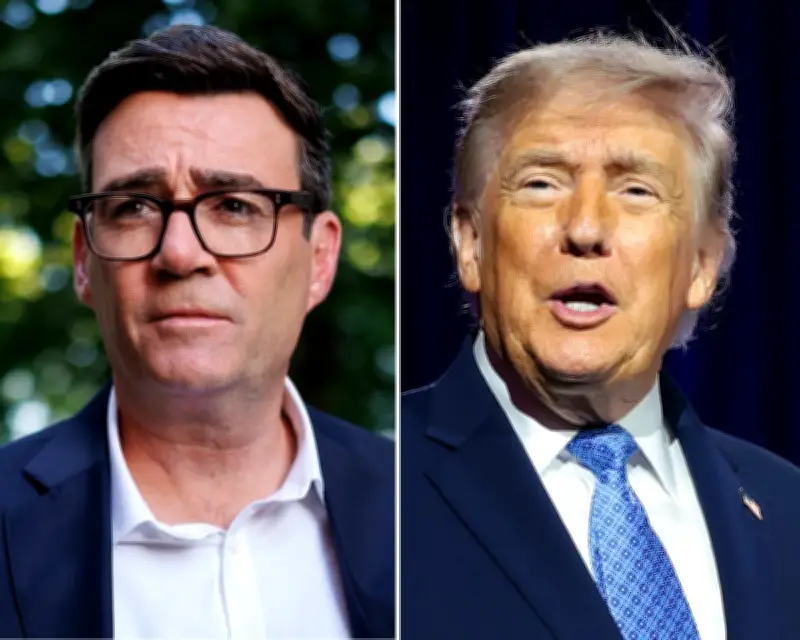
The prospect of Andy Burnham serving as foreign secretary under a future Labour government has sparked debate about the direction of UK diplomacy. Burnham, the Mayor of Greater Manchester, is seen as a figure who could bring a fresh perspective to international relations, distinct from the cautious approach of party leader Keir Starmer. His potential appointment comes at a time when the UK must navigate a complex global landscape, including the possibility of Donald Trump returning to the White House.
Burnham's Diplomatic Vision
Andy Burnham has long advocated for a more progressive foreign policy, emphasizing human rights, climate action, and multilateral cooperation. Unlike Starmer, who has focused on fiscal responsibility and national security, Burnham's approach is rooted in social justice and international solidarity. According to sources close to Burnham, he believes the UK should take a stronger stance on issues like the Israel-Palestine conflict and global inequality. This could position him as a counterweight to the more conservative elements within Labour.
Challenges with Trump
The potential return of Donald Trump to the US presidency presents a significant challenge for any UK foreign secretary. Burnham has been critical of Trump's policies in the past, calling them divisive and harmful to global stability. However, he has also emphasized the importance of maintaining the US-UK special relationship. According to a recent interview, Burnham stated, 'We must engage with the US, but not at the expense of our values.' This balancing act would test his diplomatic skills.

Starmer vs. Burnham: Contrasting Styles
Keir Starmer's foreign policy approach has been characterized by pragmatism and caution, often aligning with traditional Labour positions but avoiding bold statements. Burnham, in contrast, is more willing to take risks and challenge the status quo. This difference could lead to tensions within the party if Burnham is appointed. For example, Starmer has been reluctant to call for a ceasefire in Gaza, while Burnham has been vocal in his support for Palestinian rights. Such differences could define Labour's foreign policy under a Burnham-led Foreign Office.
Reactions from the Labour Party
Within Labour, reactions to Burnham's potential role are mixed. Some MPs see him as a unifying figure who can appeal to the party's left wing, while others worry his outspokenness could alienate moderate voters. A senior Labour source commented, 'Andy brings energy and conviction, but he also needs to show he can work within the constraints of government.' The debate reflects broader divisions within the party over its foreign policy direction.
Impact on UK Global Standing
If appointed, Burnham would inherit a Foreign Office grappling with post-Brexit challenges, including trade deals and security partnerships. His emphasis on climate diplomacy and global health could enhance the UK's soft power. However, his critical views on US foreign policy might strain relations with Washington, especially if Trump is re-elected. According to foreign policy experts, Burnham's success would depend on his ability to build alliances with European and Commonwealth nations.
Conclusion
Andy Burnham as foreign secretary represents a potential shift in UK diplomacy, offering a more progressive and vocal approach. While his appointment could energize the Labour base, it also carries risks, particularly in managing relations with the US. As the party positions itself for the next general election, the choice of foreign secretary will be crucial in defining its international image.