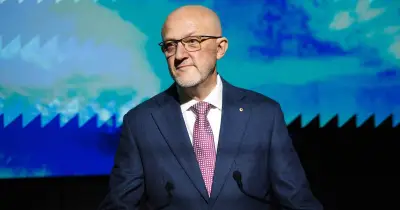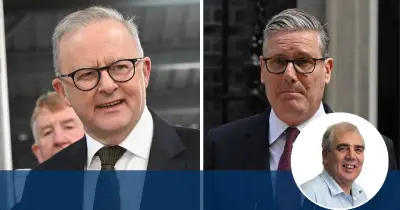
Andy Burnham, the Mayor of Greater Manchester, has announced a bold new plan to establish a 'No 10 North' satellite government office in the region, aiming to decentralize political power and drive economic growth outside London. The initiative, unveiled at a press conference in Manchester on Wednesday, proposes relocating key government functions and ministerial offices to the north of England as part of a broader devolution agenda.
Details of the Announcement
Burnham outlined that the 'No 10 North' would serve as a permanent base for the Prime Minister and senior cabinet members, hosting regular cabinet meetings and policy announcements from the region. The plan includes establishing a new government hub in Manchester city centre, leveraging existing infrastructure and creating hundreds of civil service jobs locally. According to Burnham, the move would bring decision-making closer to communities often overlooked by Westminster, addressing the long-standing north-south divide.
“This is about rebalancing our economy and our democracy,” Burnham said. “For too long, too many decisions have been made in London without understanding the needs of the north. No 10 North is a concrete step towards a more equal United Kingdom.”

Political Reactions and Implications
The announcement has drawn mixed reactions from political figures. Labour leader Keir Starmer expressed cautious support, calling it “an interesting proposal that aligns with our commitment to devolution.” However, some Conservative MPs criticized the plan as expensive and impractical, with one senior Tory source describing it as “a gimmick that will cost billions.” The Treasury has yet to comment on potential funding, but estimates suggest the project could require an initial investment of £2 billion for infrastructure and relocation costs.
Burnham’s proposal comes amid growing calls for regional devolution following the COVID-19 pandemic, which highlighted disparities in government responsiveness across the UK. A recent poll by YouGov found that 62% of northern voters support moving some government functions to the north, compared to 34% in London.
Impact on Greater Manchester
Local business leaders have welcomed the plan, with the Greater Manchester Chamber of Commerce stating it could boost the regional economy by £1.5 billion annually through increased investment and job creation. The plan also aligns with Burnham’s broader vision for a ‘London-style’ transport system and improved public services in the region. However, critics warn that without substantial funding commitments, the initiative may remain symbolic.
Burnham emphasized that the proposal is not just about physical relocation but also about changing the culture of government. “We need to embed a mindset that sees the whole country as our canvas, not just the M25 corridor,” he said. The next steps involve a feasibility study due to be completed by the end of the year, with a potential pilot of ministerial visits to Manchester beginning in 2027.