Albanese Urged to Address Petrol Policy Amid Rising Fuel Costs
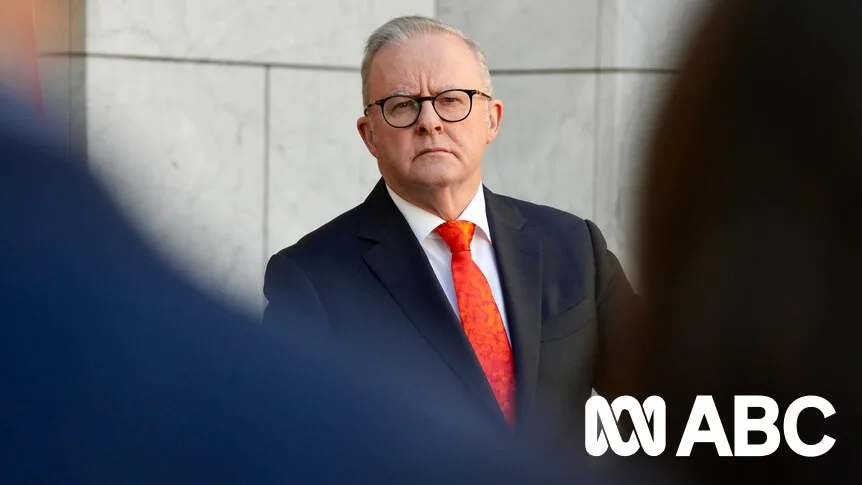
Prime Minister Anthony Albanese is facing increasing pressure to provide detailed and transparent answers regarding his government's petrol policy, as Australians continue to struggle with soaring fuel prices and broader economic challenges. The call for clarity comes at a critical juncture, with many households and businesses feeling the pinch at the pump, which is exacerbating cost-of-living pressures across the nation.
Mounting Concerns Over Fuel Affordability
The debate over petrol policy has intensified in recent months, driven by volatile global oil markets and domestic factors that have pushed fuel costs to near-record highs. Critics argue that the current situation demands a more robust and coherent strategy from the federal government to mitigate the impact on consumers. Without clear guidance, there is growing uncertainty about how the administration plans to address this pressing issue, which affects everything from daily commutes to the logistics of essential goods.
In response, various stakeholders, including opposition parties, industry groups, and consumer advocates, have voiced their concerns, urging Albanese to outline specific measures. These could include potential subsidies, tax adjustments, or long-term energy initiatives aimed at reducing reliance on imported fuels. The lack of a definitive plan has left many Australians questioning the government's preparedness to handle such a fundamental aspect of the economy.
Economic Implications and Public Sentiment
The rising cost of petrol is not just a matter of personal finance; it has significant ripple effects on the broader Australian economy. Higher fuel prices contribute to increased transportation costs, which can lead to inflated prices for goods and services, thereby fueling inflation. This scenario places additional strain on an already fragile economic environment, where many are coping with stagnant wages and rising living expenses.
Public sentiment reflects this anxiety, with recent polls indicating that fuel affordability ranks high among voter concerns. As such, Albanese's response—or lack thereof—could have political ramifications, influencing public trust and support for his leadership. The government's ability to articulate a clear and effective petrol policy is seen as a test of its competence in managing economic crises and safeguarding the welfare of ordinary Australians.
Calls for Transparency and Action
Amid the ongoing debate, there are calls for the Prime Minister to engage more openly with the public and stakeholders. This includes holding press conferences, releasing detailed policy documents, or initiating parliamentary discussions to address the petrol issue comprehensively. Transparency is key, as it would help build confidence and allow for informed public discourse on potential solutions.
Furthermore, experts suggest that a multifaceted approach is necessary, combining short-term relief with long-term strategies. For instance, investing in renewable energy sources and improving fuel efficiency standards could reduce future dependency on petrol. However, without immediate answers from Albanese, these discussions remain speculative, leaving many in a state of limbo.
In conclusion, the pressure on Anthony Albanese to fill the information gap on petrol policy is mounting. As fuel costs continue to rise, the need for clear, actionable answers has never been more urgent. The government's response will not only impact economic stability but also shape its political standing in the eyes of a concerned electorate.