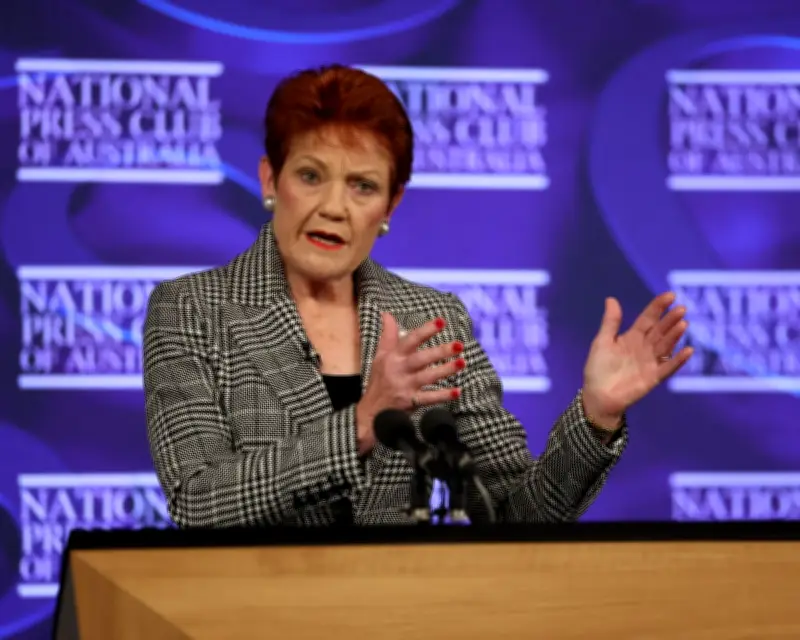
Pauline Hanson and her One Nation party have long been a fixture of Australian politics, but a new analysis suggests their success is built on a carefully crafted strategy of anger masquerading as gentle questions. The approach, which combines populist rhetoric with a veneer of concern for ordinary Australians, has allowed Hanson to maintain influence far beyond her party's electoral support.
The strategy of 'gentle questions'
According to political commentator Van Badham, writing in The Guardian, Hanson's method involves framing divisive and often xenophobic positions as simple queries from a concerned citizen. This tactic, Badham argues, allows Hanson to appear reasonable while stoking resentment. For example, Hanson's frequent questions about immigration or Indigenous policy are designed to imply that the government is hiding something or acting against the interests of Australians.
Badham notes that this approach is not unique to Hanson but is a hallmark of far-right populism worldwide. However, in Australia, Hanson has perfected the art of making anger seem like common sense. As Badham writes, 'Hanson's genius is to make her rage look like reason.'

Impact on political discourse
The effect of this strategy has been to shift the Overton window on issues like race, immigration, and national identity. One Nation's influence has pushed mainstream parties to adopt tougher stances, particularly on immigration and asylum seekers. According to a 2023 poll, 54% of Australians supported a ban on all refugee arrivals, a position that was once considered extreme but is now debated in the mainstream.
Hanson's rhetoric has also been linked to a rise in hate speech and racial incidents. The Australian Human Rights Commission reported a 30% increase in racial discrimination complaints in the year following Hanson's return to parliament in 2016.
Criticism and defense
Critics argue that Hanson's 'gentle questions' are a smokescreen for bigotry. 'She doesn't ask questions to seek answers; she asks them to spread fear,' said Dr. Emma Dawson, executive director of the progressive think tank Per Capita. 'Her questions are loaded with assumptions that are false and harmful.'
One Nation supporters, however, see Hanson as a truth-teller who gives voice to the concerns of everyday Australians. 'Pauline says what we're all thinking,' said one supporter at a recent rally in Queensland. 'She's not afraid to ask the hard questions that the major parties won't touch.'
Conclusion
As Australia heads into the next federal election, the role of One Nation and its leader remains a contentious issue. Whether Hanson's brand of politics will continue to resonate or whether the tide will turn against her remains to be seen. But as Badham points out, the key to understanding Hanson's appeal is recognizing that her questions are never as innocent as they seem.