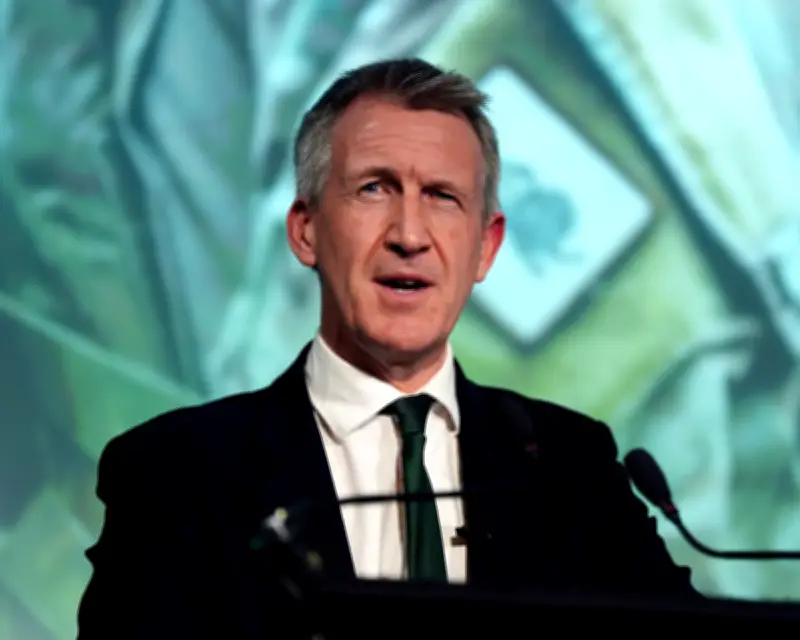
Defence Secretary Dan Jarvis has pledged to publish a long-awaited long-term defence investment plan before the NATO summit in July, aiming to outline how the UK will meet its commitment to spend 2.5% of GDP on defence by 2030. The plan, originally expected in the spring, has faced repeated delays amid internal government debates over funding priorities.
Details of the delayed plan
The investment strategy will detail spending across equipment, personnel, and cyber capabilities over the next decade. Jarvis confirmed the timeline during a parliamentary session on Monday, stating the document will be released “in the coming weeks” to ensure NATO allies see the UK’s commitment. The Ministry of Defence (MoD) has faced criticism for outdated equipment and recruitment shortfalls.
According to a report by the House of Commons Defence Committee, the UK defence budget faces a £17 billion shortfall over the next five years if spending remains at current levels. Jarvis acknowledged the gap but insisted the plan will “set out a credible path” to reach the 2.5% target, which Prime Minister Keir Starmer reaffirmed at the last NATO summit.

Political and strategic context
The delay has sparked opposition accusations of dithering. Shadow defence secretary James Cartlidge said the government is “failing to prioritise national security” and called for an immediate emergency spending boost. However, Jarvis countered that the plan requires careful cross-departmental coordination, particularly with the Treasury, to ensure “value for money” without compromising other public services.
NATO Secretary General Jens Stoltenberg has urged member states to accelerate defence spending amid heightened tensions with Russia. The UK currently spends approximately 2.1% of GDP on defence, placing it above the NATO 2% guideline but below the new 2.5% target.
Key elements of the investment plan
The MoD has indicated the plan will prioritise modernising the nuclear deterrent, replenishing ammunition stocks depleted by support to Ukraine, and investing in drone and artificial intelligence technologies. Jarvis also hinted at a new “Defence Innovation Fund” to attract private sector investment in cutting-edge military tech.
“This is not just about spending more, but spending smarter,” Jarvis said in the Commons. “Our armed forces deserve the best equipment, and our taxpayers deserve a plan that delivers security without waste.” He added that the plan will include “hard choices” on legacy programmes and a shift toward more agile, technology-driven capabilities.
Reactions and next steps
Military leaders have welcomed the commitment to a published plan. General Sir Patrick Sanders, Chief of the Defence Staff, recently warned that the army is “too small” to meet current threats and needs sustained investment. The plan is expected to include a modest increase in troop numbers alongside equipment upgrades.
Downing Street confirmed that the Prime Minister has given the Defence Secretary a deadline to finalise the document before the NATO leaders’ meeting in The Hague on July 10-11. The summit will focus on burden-sharing and support for Ukraine, making the UK’s defence spending trajectory a key topic.