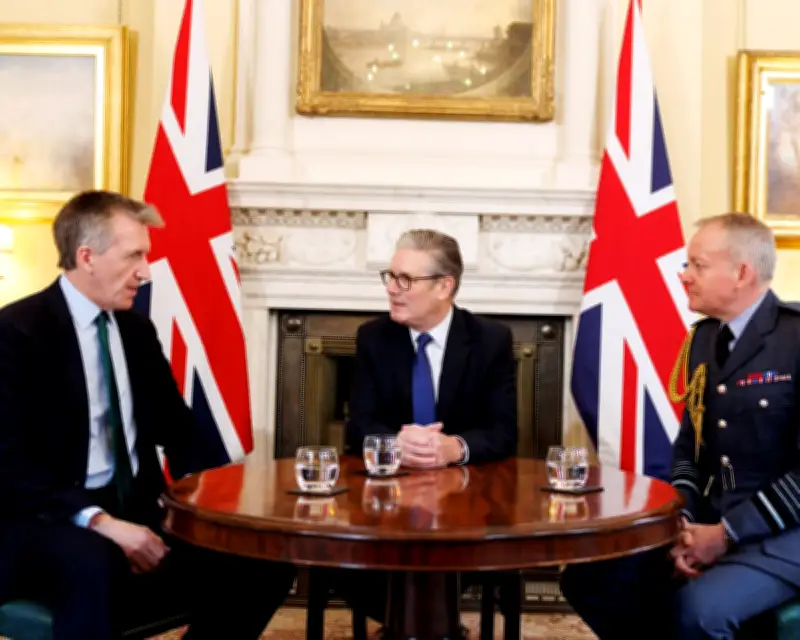
Defence Secretary Dan Jarvis has unveiled a comprehensive plan to address the anticipated dip in UK military spending, aiming to ensure that the nation's defence capabilities remain robust and aligned with strategic objectives. The plan, presented to Parliament, outlines a series of measures to mitigate the financial shortfall expected in the coming years.
Key Elements of the Plan
The proposed strategy includes a reallocation of existing resources, efficiency savings, and a focus on priority areas such as cyber defence, intelligence, and rapid response forces. Jarvis emphasised that the plan would not compromise the UK's commitment to NATO or its global security partnerships.
Addressing the Spending Dip
According to official forecasts, UK defence spending as a percentage of GDP is projected to decline slightly over the next few years, raising concerns among allies and within the military establishment. Jarvis's plan aims to stabilise spending and ensure that the UK meets its NATO pledge of spending at least 2% of GDP on defence.

Reactions and Implications
The announcement has received mixed reactions. While some defence experts welcome the pragmatic approach, others argue that more significant investment is needed to address emerging threats. Shadow defence secretary John Healey criticised the plan as insufficient, calling for a clearer commitment to increase spending. Meanwhile, military leaders have expressed cautious optimism, noting that the plan provides a framework for maintaining operational readiness.
Jarvis stressed that the plan is a starting point and that further adjustments may be necessary as the security environment evolves. He also highlighted the importance of investing in cutting-edge technologies and personnel to ensure the UK's armed forces remain among the most capable in the world.