Strength training in midlife can be transformative, but it requires a tailored approach. Experts recommend starting with compound lifts, using basic equipment, and prioritizing recovery.
Why Midlife Strength Training Matters
After age 40, women lose 3% to 8% of muscle mass per decade, with losses accelerating after 50. This condition, known as sarcopenia, makes building strength harder, especially during perimenopause. However, strength training significantly reduces the risk of noncommunicable diseases like type 2 diabetes, cardiovascular disease, and Alzheimer's, according to Leigh Breen, an expert in skeletal muscle physiology at Birmingham University.
Expert Recommendations for Equipment
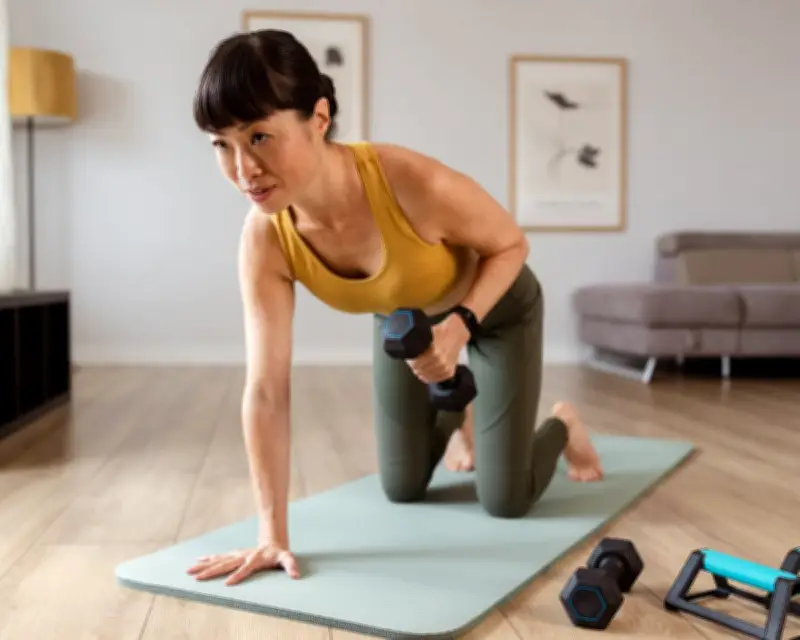
Ann Marie Chaker, a professional bodybuilder in her 40s, suggests keeping a few sets of dumbbells at home. The CAP Neoprene Dumbbells, available for $11.99 at Amazon, are a budget-friendly option. Stephanie Gaudreau, a certified personal trainer, also recommends using household items like a backpack filled with books for weight.

The Most Underrated Workout Tool
Caroline Idiens, founder of Caroline's Circuits, calls resistance bands "the most underrated fitness gadget." She favors Gritin Skin-Friendly Resistance Bands, which come in five strengths and are affordable at $15.98 on Amazon. They are portable and ideal for full-body workouts.
Stick to Compound Exercises
Kate Whetsel, a certified personal trainer specializing in perimenopause, advises sticking to compound lifts like deadlifts and squats. These engage multiple muscle groups, improve cardiovascular health, and enhance flexibility. Whetsel recommends slowing down the lowering phase to three seconds to increase tissue demand and body awareness.
Lift Your Bodyweight
Chaker emphasizes starting with no weight to engage mechanics. Whetsel suggests doing as many reps as possible with good form until only two or three reps remain in reserve (RIR), maximizing effort without weights.
Modifications Are Not Weakness
Whetsel notes that modifications are essential for beginners. Gaudreau recommends starting with a squat to a bench to control range of motion. For push-ups, using anti-slip handles like the Kipika Anti-Slip Push-up Handles ($25.99) reduces wrist strain.
Keep Cool During Perimenopause
To manage hot flashes, Whetsel suggests ice water, loose sweat-wicking clothes, and well-ventilated spaces. Frogg Toggs Instant Cooling Towels ($15.29) are a popular choice for staying cool during workouts.
Recovery Is Part of the Workout
As estrogen levels drop, stress hormones rise. Whetsel recommends calming practices like box breathing or yoga. Chaker emphasizes eight hours of sleep for recovery. Dr. Teal's Pure Epsom Magnesium Salt Soak ($22.21) helps relax sore muscles and improve sleep.