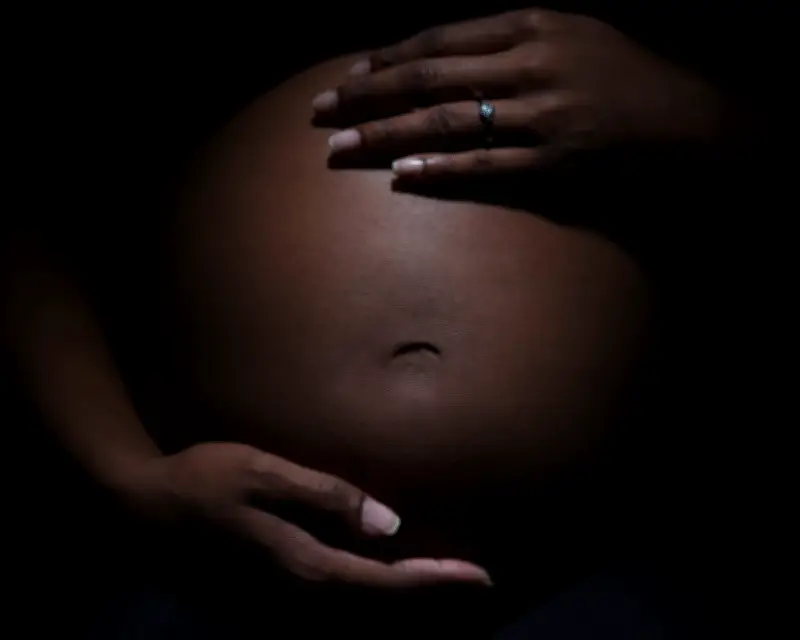
A damning report published on Tuesday has concluded that prejudice and misogyny are pervasive in maternity care, resulting in poorer health outcomes for women, particularly those from black and minority ethnic backgrounds. The report, commissioned by the Royal College of Obstetricians and Gynaecologists (RCOG), found that systemic biases are causing delays in treatment, misdiagnosis, and a lack of respect for women's concerns.
Key Findings of the Report
The review, led by Professor Dame Jane Francis, examined over 1,000 cases of adverse maternal outcomes and heard testimonies from hundreds of women. It found that 40% of women reported feeling dismissed or not taken seriously by healthcare professionals. Among black women, this figure rose to 60%. The report also highlighted that women from ethnic minorities are four times more likely to die during childbirth than white women.
According to the report, these disparities are not solely due to clinical factors but are deeply rooted in societal prejudices. Professor Francis stated, "We found clear evidence that stereotypes and unconscious bias are affecting clinical judgments, leading to substandard care. This is not just about individual failings; it is a systemic issue that requires urgent action."

Impact on Women's Health
The consequences of this prejudice are severe. Women reported being denied pain relief, having their symptoms downplayed, and being pressured into interventions they did not want. One woman recounted, "I was told I was being dramatic and that my pain was normal. It turned out I had a life-threatening condition." Such experiences have led to increased rates of postnatal depression and trauma among affected women.
The report also found that women with disabilities, those from low-income backgrounds, and LGBTQ+ women face additional barriers. For example, deaf women often lack access to interpreters during labor, and transgender men report being misgendered and excluded from maternity services.
Recommendations for Change
The RCOG has pledged to implement a series of reforms based on the report's recommendations. These include mandatory unconscious bias training for all maternity staff, the introduction of cultural competency standards, and the establishment of a national reporting system for discrimination. The college also calls for more diverse leadership within maternity services to ensure that decision-making reflects the needs of all women.
Health Secretary Wes Streeting welcomed the report and said the government would work with the RCOG to address the issues. "Every woman deserves safe and respectful maternity care, regardless of her background. We will not tolerate discrimination in our health service," he said.
Broader Context
The report comes amid growing awareness of racial and gender disparities in healthcare. Similar studies in the US and Australia have found comparable patterns of mistreatment and poor outcomes for minority women. The RCOG hopes that the UK can lead the way in tackling these issues.
Professor Francis emphasized that change must be swift. "We cannot afford to wait another decade. Women's lives are at stake. This is a call to action for the entire healthcare system."