A coroner is investigating the final moments of Melbourne influencer Stacey Warnecke, who died after a freebirth at home, and the reasons why women choose to give birth without medical assistance.
The death of Stacey Warnecke
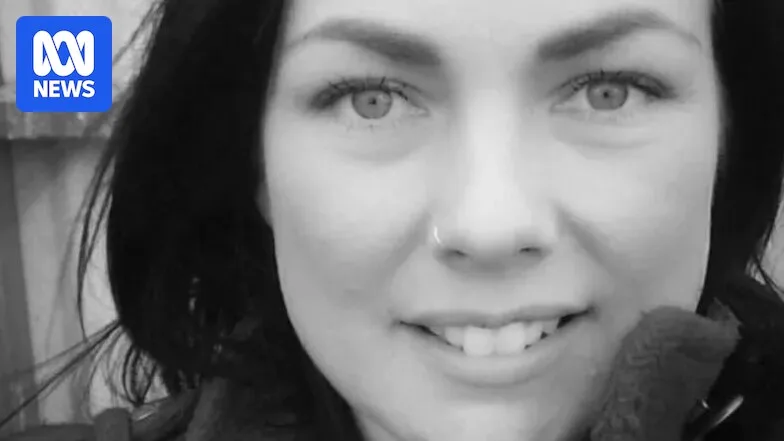
Stacey Warnecke, a 30-year-old nutritionist and wellness influencer, died on 29 September 2025 at Frankston Hospital in south-east Melbourne, following complications from a postpartum haemorrhage at her home. She had chosen a freebirth, a birth without any medical help, and hired a birthkeeper, Emily Lal, for support.
As Warnecke lay on the floor of her home, short of breath after a massive haemorrhage, Lal told her she was likely having a panic attack. Warnecke said, "Don't leave me," to Lal, who had no medical qualifications but was paid $6,000 to support the pregnancy, a coroner's court heard.

Lal's now-removed website stated: "I believe that … outsourcing responsibility for your and your baby's wellbeing to any external authority (be it a person or a test) is dangerous." Birthkeepers have no medical training and operate outside the medical system, believing a woman's body innately knows what to do during childbirth, including if something goes wrong.
Staff at Frankston Hospital exhausted the blood supply and performed surgeries on Warnecke's heart and uterus to try to save her, but she died.
The role of the birthkeeper
The inquest heard that an ambulance was called only after Warnecke explicitly gave Lal permission to call, the third time Lal asked her, and about half an hour after the bleed started. Lal told the inquest it was not her role to make the decision to call an ambulance.
In the background of the triple zero call played to the coroner, Warnecke is heard moaning as her baby cries. "The bleeding has stopped," Lal told the operator. When asked about her calm demeanour, Lal said: "I'm pretty calm in emergencies."
The inquest heard that Warnecke was not fully lucid by the time the first paramedic arrived, who found her on the floor with a large clot next to her. Warnecke had told Lal: "I'm bleeding" before the call, but Lal looked between her legs, could not see blood and told Warnecke she was not bleeding.
Lal told the inquest that when she attends a birth, "I'm attending as a supportive friend. I'm not there to make a birth safer. I can't do that." When counsel assisting the coroner, Rachel Ellyard, said to her: "But you're being paid to be there," Lal responded: "I'm not clinically trained. It's not my role to assess blood loss."
Expert medical witnesses told the inquest Warnecke would have been bleeding internally, and symptoms of a postpartum haemorrhage are not all visible.
Why women choose freebirth
Warnecke is one of a growing number of women choosing medically unassisted births, known as freebirths, and unregulated, non-medically-trained support persons for their pregnancies, the inquest heard. The question of why is a key question for coroner Therese McCarthy.
The inquest heard evidence from the 2024 NSW birth trauma inquiry, which found some women have suffered "distressing", "unacceptable" and "preventable" birth trauma in the medical system. Women shared that they felt dehumanised in hospital and, in some cases, experienced what they described as violence. Some said they were subjected to painful, invasive interventions with lasting effects they felt they did not give informed consent to.
Warnecke, a first-time mother, had a "deep fear" of such interventions happening to her, Ellyard told the coroner. "She felt … that her only option to have a baby on her own terms was to look for an alternative to hospital care," Ellyard said.
Nearly half of all births in Victorian hospitals result in caesarean births, the inquest heard. Expert witness, obstetrician Dr Mark Tarrant, told the coroner this was partly due to women choosing a caesarean, caesareans becoming safer, and women giving birth later, creating more risks requiring interventions.
Midwife Dr Catherine Adams, also an expert witness, agreed but told the coroner: "It's naive of us to think that all clinicians practice to the highest standard that they should or could. I have been involved in providing opinion on many adverse outcomes that have occurred in hospital from substandard practice. And that is a tragedy … but it also is a reality."

Ellyard told the coroner it was hard to estimate how many women choose a freebirth; if those births go well, "as perhaps many do, they won't come to the attention of medical services." However, evidence suggested the number of freebirth cases coming to the attention of medical services because something went wrong was increasing. "There are … in some cases, tragic outcomes," Ellyard said.
Medical evidence and preventability
The inquest heard from medical experts who said because Warnecke's early stage of labour lasted approximately three days, her uterus was likely exhausted and unable to contract and stop the bleeding following the birth of the placenta. Had a midwife been there, they would have had treatments on hand to quickly assist and identified early warning signs.
All of the expert medical witnesses who gave evidence over four days of hearings said Warnecke's death was preventable had medical staff been involved, and that postpartum haemorrhage was not uncommon but was treatable. It is rare for women to die from one when it is recognised early, they said.
Lal told the inquest she wasn't concerned by the length of Warnecke's labour. "Early labour … it's like … not even real labour," she said. "She was still, you know, quite happy; she was sleeping when she could. You don't sleep when you're in a first-time labour."
Free Birth Society and aftermath
The inquest heard Lal received training from a multimillion-dollar online business, the Free Birth Society, which an investigation by the Guardian revealed had been criticised by medical professionals, who said the information shared about topics including excessive bleeding and placenta care were dangerous.
The inquest heard that a senior doctor responsible for clinical governance and safety at Frankston Hospital reported Lal to police the same day Warnecke died, because staff raised concerns that language used by Lal indicated she may have been giving Warnecke medical advice. Lal had told hospital staff she was a friend.
Lal told the inquest she only attended the hospital because Warnecke's husband, Nathan, had accidentally taken her phone and she needed to retrieve it. She left the hospital once Warnecke went into surgery and returned to the couple's home to clean up. Lal took the bloodied carpet with her, disposing of it in her own bin, telling the inquest it did not fit in their bin and she did not want Warnecke's husband to be confronted by the mess.
Ellyard said when police arrived at the home, it had been cleaned to a point where they could not identify what the layout of the lounge room had been after the birth. Police contacted Lal and asked her for a statement, but she declined. "You knew that someone who was your friend had just passed away, and you were an eyewitness to some of the events," Ellyard put to her. "Why wouldn't you want to make a statement to describe what you had seen?" Lal responded: "I wasn't legally required to."
Lal said she sought legal advice because of her experience following a death that occurred during a previous freebirth pregnancy she had supported. She told the inquest she felt she was blamed by the media for that death. Lal said she got a new phone and no longer had access to texts between herself and Warnecke.
Inquest adjourned
Late on Thursday, the inquest was adjourned after Ellyard revealed a forensic analysis of Warnecke's phone had been completed. She said time was needed for this evidence to be considered, with the possibility that more witnesses would be called. A date for the inquest's return is yet to be set.
Warnecke's family listened online. Their statements to the coroner were not made public. "I am aware that Stacey was a vibrant, intelligent and thoughtful woman … the court is endeavouring to understand Stacey's choices and is not here to criticise them," the coroner told them. She said women were making choices "every single day about childbirth," and that by examining Warnecke's death, she hoped those choices could be made safer.