The global fight against HIV and AIDS faces a critical juncture as funding cuts and reduced testing threaten to reverse decades of progress, according to a new report from UNAIDS. The agency warns that without immediate action, the world could see a resurgence of the epidemic, undoing gains made in reducing new infections and deaths.
Alarming Trends in HIV Prevention
UNAIDS reported that new HIV infections have declined by 39% since 2010, but the pace of decline has slowed significantly in recent years. In 2025, an estimated 1.3 million people were newly infected with HIV, far above the global target of 370,000 by 2025. The agency attributes this stagnation to insufficient funding for prevention programs, particularly in sub-Saharan Africa, which accounts for the majority of new infections.
Funding Shortfalls Undermine Progress
International funding for HIV programs has dropped by 10% since 2023, with many donor countries redirecting resources to other global health priorities. The United States, the largest bilateral donor, has reduced its contributions, while the Global Fund to Fight AIDS, Tuberculosis and Malaria faces a $2 billion shortfall for its next cycle. This has led to clinic closures, shortages of antiretroviral drugs, and fewer community health workers in high-burden countries.

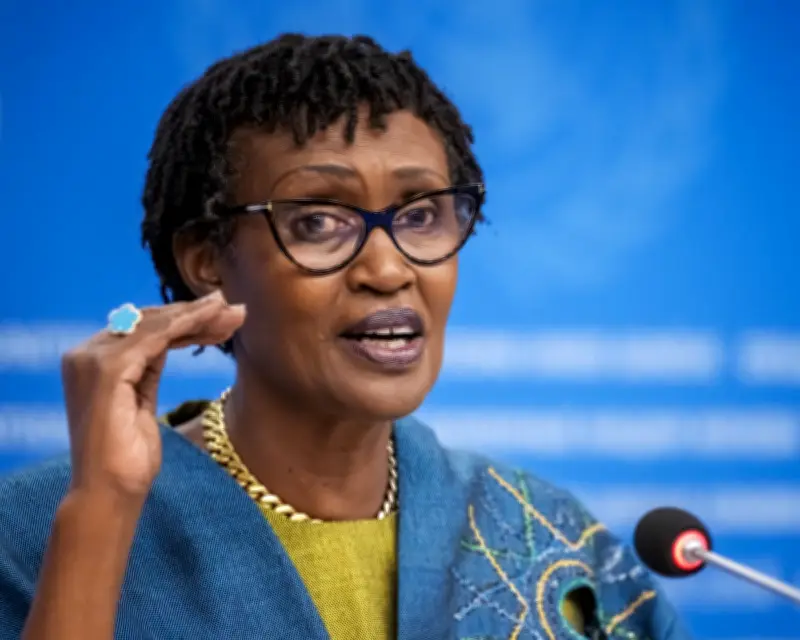
"We are at a tipping point," said UNAIDS Executive Director Winnie Byanyima. "If we fail to invest now, we will see a resurgence of HIV that could cost millions of lives and billions of dollars in future treatment costs."
Testing Gaps Leave Millions Undiagnosed
Testing rates have also declined, with 5.5 million people living with HIV unaware of their status in 2025. This gap is particularly acute among young people and key populations, including men who have sex with men, sex workers, and people who inject drugs. In many countries, stigma and discrimination continue to deter people from seeking testing and treatment.
The report highlights that only 75% of people living with HIV know their status, far below the 95% target set by the United Nations. Without widespread testing, individuals cannot access life-saving treatment, and the virus continues to spread unknowingly.
Treatment Access Stalls
Antiretroviral therapy (ART) coverage has plateaued at around 70% of people living with HIV, with 9.7 million people still not receiving treatment. While deaths from AIDS-related illnesses have fallen by 51% since 2010, the decline has slowed, and in some regions, deaths are rising again. Children are particularly affected, with only 57% of HIV-positive children receiving ART compared to 75% of adults.
"Every day, 1,000 children are infected with HIV, and 330 children die from AIDS-related causes," said Byanyima. "These are preventable tragedies."
Global Response at a Crossroads
The UNAIDS report calls for urgent action to close the funding gap, expand testing, and ensure equitable access to treatment. It recommends increasing domestic financing in affected countries, leveraging innovative financing mechanisms, and prioritizing key populations in prevention efforts.
Without these measures, the world risks losing the gains of the past two decades. "We have the tools to end AIDS by 2030, but only if we use them," said Byanyima. "The choice is clear: invest now or face a resurgence that will cost far more in the long run."
The report comes ahead of the International AIDS Conference in July, where world leaders will discuss the future of the global HIV response. Activists are calling for renewed commitments and concrete action to prevent a reversal of progress.