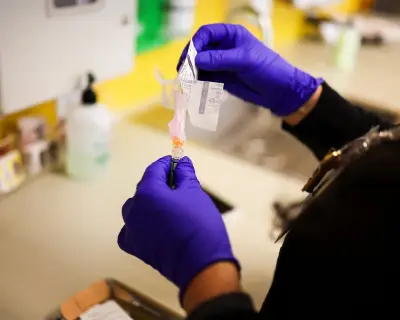
Nearly nine in ten palliative care doctors in Australia and New Zealand believe psychedelic therapy warrants further investigation for end-of-life care, according to a new survey of nearly 100 members of the Australian and New Zealand Society of Palliative Medicine. The research, published June 25, 2026, reveals cautious optimism among clinicians about the potential of psychedelics like MDMA and psilocybin to relieve severe psychological and existential distress in terminally ill patients.
Doctors Support Research, but with Caution
Around three quarters of surveyed doctors disagreed that psychedelics are unsafe and should not be used clinically. Younger doctors and those based in New Zealand were somewhat more likely to believe these substances could improve patient outcomes. Notably, two thirds agreed that psychedelics might improve outcomes when combined with psychotherapy. However, half agreed psychedelics should remain illegal for recreational purposes.
Potential Alternative to Medically Assisted Dying
A total of 84% of doctors were either neutral or agreed that psychedelic therapies could offer an alternative for some patients who might otherwise consider medically assisted dying. This suggests a recognition of the potential for psychedelics to address existential distress at the end of life.

Regulatory Changes and Clinical Trials
Australia and New Zealand have recently enacted laws enabling authorised doctors to prescribe psilocybin and MDMA. In New Zealand, an ongoing trial of MDMA-assisted therapy is already showing promising results among cancer patients experiencing existential distress. According to the researchers, “doctors generally agreed more research is needed to establish their safety, effectiveness and place in palliative care.”