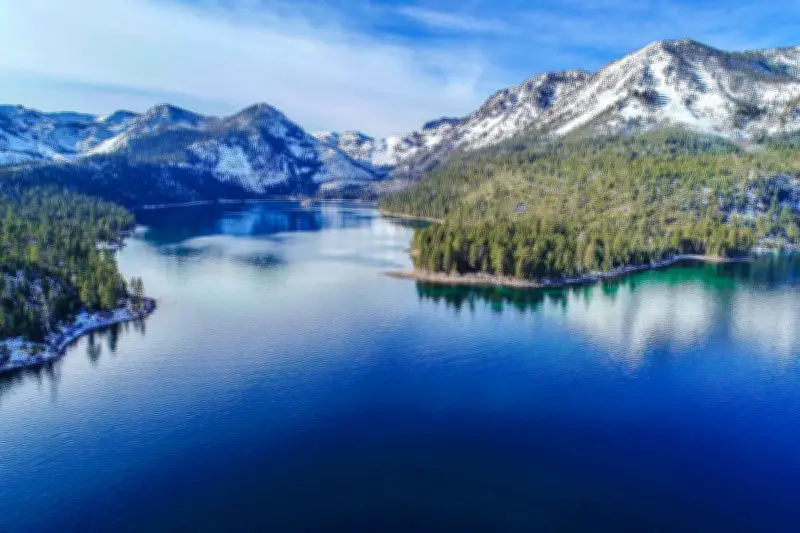
Lake Tahoe residents are expressing outrage over a US Forest Service plan to spray glyphosate and other herbicides on public lands as part of restoration efforts following the 2021 Caldor fire. The fire burned over 200,000 acres, including land in and around the Lake Tahoe basin. The Forest Service manages more than 156,000 acres of national forest land within that basin.
Community Concerns
Katherine Levy, a lifelong Lake Tahoe enthusiast who recently returned to the area, said she was horrified to learn about the plan. She is among a growing number of residents and officials fighting to block or alter the project. The herbicides would be applied using backpack sprayers to minimize damage to non-target plants, and the Forest Service has pledged to reduce the risk of pesticides entering waterways. However, locals remain worried. A town hall meeting was held on June 11 to strategize opposition, with calls for action spreading on social media groups like Lake Tahoe Locals and Keep Tahoe Blue.
Health and Environmental Risks
Glyphosate, introduced by Monsanto in the 1970s and used in brands like Roundup, was classified as probably carcinogenic to humans by the World Health Organization in 2015. It has also been linked to harm to animals and could adversely affect over 90% of endangered species, according to federal regulators. Bayer, which bought Monsanto in 2018, maintains that its glyphosate herbicides do not cause cancer, and the EPA considers glyphosate unlikely to be carcinogenic.

Water Quality Fears
Lake Tahoe, the largest alpine lake in North America, is a popular tourist destination known for its pristine waters. About 75% of the lake's watershed is within national forest land, and some proposed spray areas sit on mountains above the lake, with snowmelt feeding directly into the lake. South Lake Tahoe Mayor Cody Bass expressed shock that glyphosate is still used on public lands and is pushing the Tahoe Regional Planning Agency (TRPA) to prohibit synthetic herbicides. The TRPA sent a letter to the Forest Service on May 27 requesting a meeting to minimize herbicide use.
Wider Context
The Forest Service's restoration plan, which has been in development for over a year, targets up to 75,000 acres affected by the Caldor fire for glyphosate spraying, including areas near ski resorts. The plan received emergency authorization for 11,700 acres within the Lake Tahoe basin, with an estimated 2,400 to 3,600 acres potentially treated with herbicides. From 2017 to 2020, nearly 939,000 pounds of pesticides were applied on 1.47 million acres of federal Forest Service land across the US, according to data from the Center for Biological Diversity.
Robert Lorens, the Forest Service's NEPA planner for the project, acknowledged community concerns but defended the use of herbicides as the best tool for forest restoration, noting that each chemical is properly registered and assessed. However, residents like Hannah Teter, who lives near the affected area, remain deeply troubled by the plan, emphasizing the importance of Lake Tahoe's natural purity.