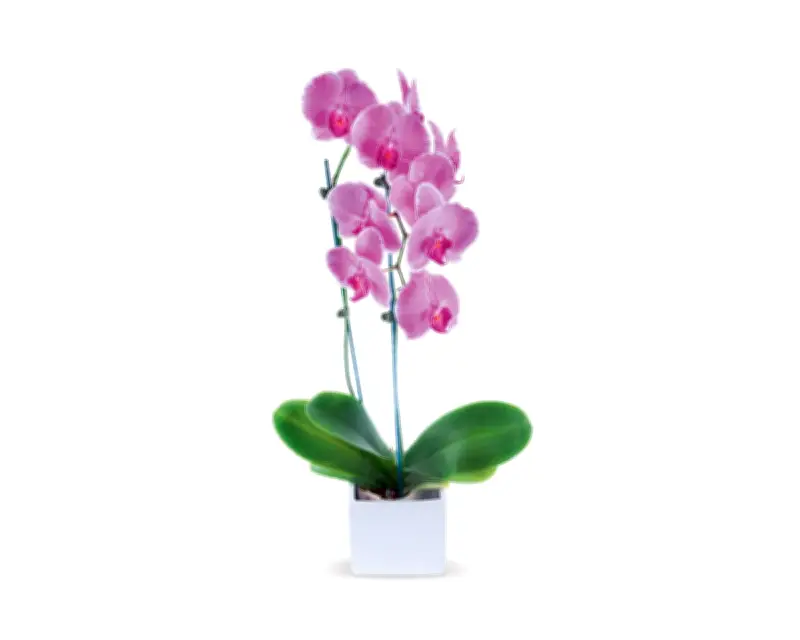
Orchids are among the most popular houseplants, but many owners struggle to keep them blooming. According to gardening expert Jane Smith, the key to prolonged flowering lies in mimicking their natural environment.
Watering Wisdom
Overwatering is the most common cause of orchid decline. Smith advises watering only when the roots turn silvery-gray, typically every 7-10 days. Using a pot with drainage holes and placing the plant in a sink to water thoroughly ensures excess moisture escapes.
Light Requirements
Orchids thrive in bright, indirect light. A north- or east-facing window is ideal. Direct sunlight can scorch leaves, while too little light prevents reblooming. Smith recommends rotating the pot weekly to ensure even growth.

Temperature and Humidity
These plants prefer daytime temperatures between 18-24°C and a slight drop at night to encourage flower spikes. Humidity should be around 50-70%. Placing a tray of water with pebbles beneath the pot can boost moisture without waterlogging roots.
Feeding for Flowers
Use a balanced, water-soluble fertilizer diluted to half strength every two weeks during the growing season. Switch to a high-phosphorus formula when flower spikes appear to promote blooms. Reduce feeding in winter when growth slows.
Post-Bloom Care
After flowers fade, cut the spike above a node to encourage a second bloom. Repot every two years using bark-based orchid mix to refresh nutrients and improve drainage. With these tips, your orchid can flower for up to three months or more.