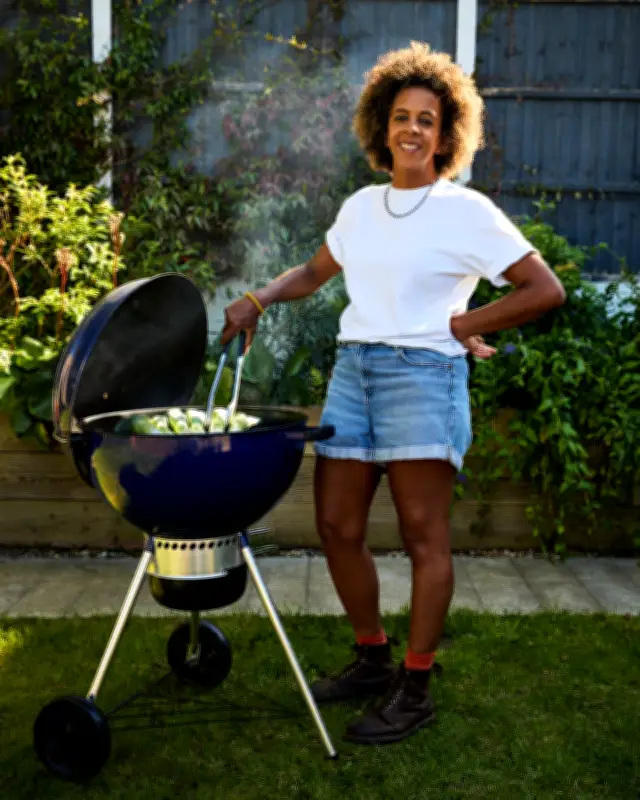
Barbecue season is here, and whether you're a novice or a seasoned pro, getting the basics right can make all the difference. From choosing the right grill to mastering heat control, here's everything you need to start barbecuing today.
Choosing Your Grill: Gas vs. Charcoal
The first decision is between gas and charcoal grills. Gas grills offer convenience and quick heat-up times, typically reaching cooking temperature in 10–15 minutes. Charcoal grills, on the other hand, provide a smoky flavour that many enthusiasts prefer, but require more time and skill to manage. According to BBQ expert John Smith, "Charcoal gives you that authentic taste, but gas is perfect for weeknight dinners when you're short on time."
Essential Equipment
Beyond the grill, you'll need a few key tools: a sturdy spatula, long-handled tongs, a grill brush for cleaning, and a meat thermometer to ensure food safety. A chimney starter is highly recommended for charcoal grills to light coals evenly without lighter fluid. For gas grills, keep a spare propane tank on hand.

Fuel and Fire Management
For charcoal, use natural lump charcoal or briquettes. Lump charcoal burns hotter and faster, while briquettes provide a more consistent heat. Light the coals in a chimney starter, then spread them for direct or indirect cooking. For gas, preheat with the lid closed for 10–15 minutes on high, then adjust to desired temperature.
Mastering Heat Zones
Create two heat zones on your grill: a hot zone for searing and a cooler zone for slower cooking. This allows you to move food around to prevent burning. For thick steaks, sear on high heat for 2–3 minutes per side, then move to the cooler side to finish cooking. According to the American Barbecue Association, maintaining a grill temperature of 450–550°F (230–290°C) is ideal for most direct grilling.
Techniques for Perfect Grilling
Clean and oil the grates before cooking to prevent sticking. Pat meat dry for a better sear. Use a meat thermometer to check doneness: steaks medium-rare at 135°F (57°C), chicken breasts at 165°F (74°C). Let meat rest for 5–10 minutes after grilling to retain juices.
Recipes to Get You Started
Try simple recipes like grilled chicken thighs marinated in lemon and herbs, or vegetable skewers with bell peppers, zucchini, and onions. For a showstopper, reverse-sear a thick-cut steak: cook it low and slow until internal temperature reaches 125°F (52°C), then sear over high heat for 2 minutes per side.
Safety Tips
Never leave a lit grill unattended. Keep a spray bottle of water handy for flare-ups. Place your grill at least 10 feet from your house and away from overhanging branches. Clean the grill after each use to prevent grease buildup.
Conclusion
With the right equipment, fuel, and techniques, you'll be grilling like a pro in no time. The heat is on—fire up your barbecue and enjoy the flavours of summer.