In the 1990s, Birmingham was home to hundreds of authentic balti restaurants. Today, only about 20 remain. A campaign is now underway to secure Unesco living heritage status for the dish, aiming to revive its popularity and preserve its cultural significance.
The Birth of Balti
Balti, a fast-cooked curry served in a distinctive steel bowl, was born in Birmingham in 1975. Chef Mohammed Arif created the dish at his restaurant Adil's, collaborating with Sikh metal engineer Tara Singh to design the thin, heat-conductive bowl. The name derives from the Urdu word for bucket. The dish quickly became a local staple, especially after pub closing time, and the area around Sparkhill and Moseley became known as the "balti belt" or "balti triangle."
The Decline
By the early 2000s, the balti boom began to wane. Rising produce costs, staffing issues, and recessions took their toll. The COVID-19 pandemic dealt a severe blow, with many restaurants never reopening. In 2022, Adil's closed its doors. Birmingham City Council declared bankruptcy in 2023, and ongoing strikes have further damaged the city's appeal. Zaf Hussain, owner of Shababs, notes that people no longer know what a true balti is, as the term has been diluted by mass-produced sauces and imitations.

The Campaign for Heritage Status
Andy Munro, a passionate balti enthusiast, is leading the bid for Unesco living heritage status. He has published a book on balti and founded the Association for the Protection of the Authentic Balti. The bid has gained endorsements from West Midlands Mayor Richard Parker and Michelin-starred chef Brad Carter. Munro believes certification will help preserve the dish and encourage a new generation to embrace it.
Authentic Preparation
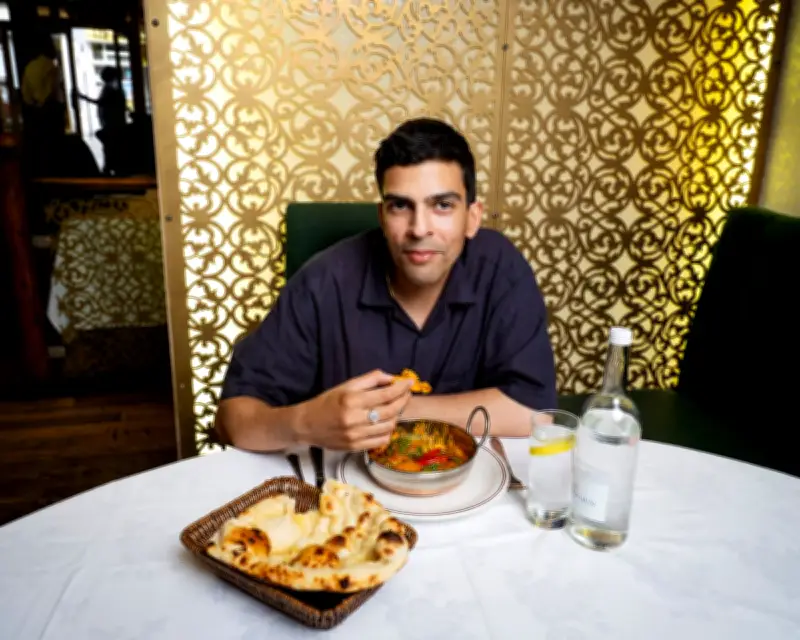
At Shababs, Hussain demonstrates the authentic method: onions, tomatoes, and garlic are fried in a carbon-steel bowl, then tomato gravy, chicken, and spices are added. The mixture boils violently for a few minutes before being served sizzling in the same bowl. The entire process takes just seven minutes, resulting in a dark, unctuous curry with a caramelised edge.
Challenges and Hope
Restaurateurs like Zakerul Islam of Manzil's and Azhar Mahmood of Shahi Nan Kabab express concern about the future. Islam notes that his children are unlikely to take over the business. Mahmood has seen supply costs rise from £1,100 to £1,900 per week post-Brexit and COVID. However, new ventures like Royal Watan in Stirchley are modernising the balti experience, targeting younger diners with Instagram-friendly presentations and creamier sauces.
The Future of Balti
The Birmingham Balti Bowl Company, founded in 2021, now handcrafts carbon-steel bowls, producing about 200 units per month. Chef Steve Heap offers private balti cooking classes, attracting clients from as far as Switzerland. Munro's living heritage bid has passed the first stage of assessment, with a 12-week wait for the next stages. For Hussain, the certification would be welcome, but he remains committed to serving baltis regardless. "It's in my blood," he says.