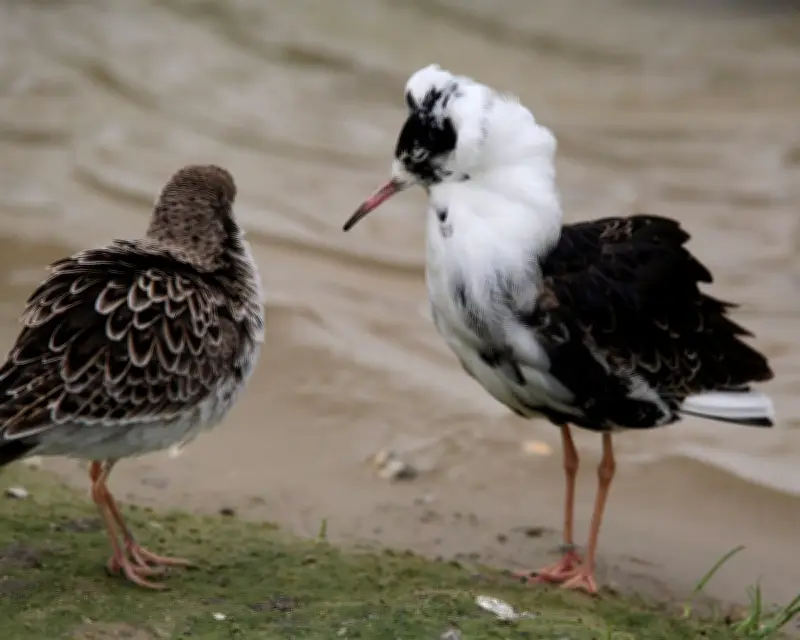
In a quiet corner of a British wetland, a spectacular natural drama unfolds each spring. The ruffs, medium-sized wading birds, gather to perform their elaborate courtship displays, a sight that one observer describes as watching 'ludicrous Walter Raleighs' strutting about.
The Ruff's Remarkable Display
Male ruffs, known for their striking and variable breeding plumage, gather on traditional display grounds called leks. Here, they engage in competitive posturing, fluffing their feather collars, and performing intricate dances to attract females. The comparison to Walter Raleigh, the Elizabethan courtier known for his flamboyant style, is apt: the birds seem to be showing off with an exaggerated sense of self-importance.
The lekking behavior is a fascinating example of sexual selection. Males with the most impressive displays are more likely to mate, driving the evolution of their ornate plumage and complex rituals. The ruff's name itself derives from the Elizabethan neck ruff, a fashion accessory that the bird's feather collar resembles.

Observing the Ritual
The author recounts a morning spent hidden in a hide, watching the birds through binoculars. The air is filled with the soft calls and the rustle of feathers as males challenge each other. Some birds adopt a 'satellite' strategy, lurking near dominant males to intercept approaching females. The scene is both comical and awe-inspiring, a reminder of nature's creativity.
Conservation efforts have helped maintain healthy ruff populations in several UK wetlands, though habitat loss remains a threat. The sight of these birds strutting in their ancestral leks is a treasure worth protecting.
As the sun rises higher, the display subsides. The females, having chosen their mates, depart to nest. The males, exhausted but triumphant, begin to disperse. The author packs up, carrying the memory of a performance that rivals any human courtly dance.