A University of Newcastle study is developing a rapid test for chytridiomycosis, a deadly fungal disease that has driven four frog species to extinction in Australia and contributed to the decline of at least ten others.
Lake Macquarie City Council recently approved $8,000 in funding for the project through its Environmental Research Grants program. The study, led by conservation biologist Rose Upton, is trialling loop-mediated isothermal amplification (LAMP) testing, a single-tube technique that detects chytrid fungus in amphibians.
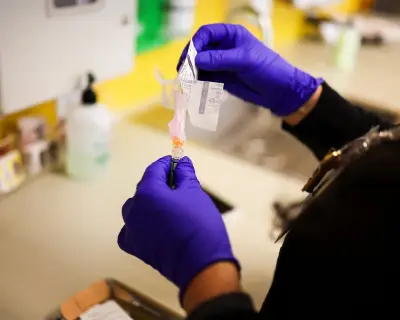
The test involves swabbing a frog and placing the sample in a tube containing charcoal solution. If chytrid is present, the charcoal sinks through flocculation. Dr. Upton said the method eliminates the need to wait for lab results, allowing researchers to diagnose the disease on-site at ponds. It also reduces costs, enabling more testing of other frog species in the same wetland.

Chytrid was first detected in Australia in the 1970s and has spread to all states and territories except the Northern Territory. It is most lethal in colder climates and during winter. The fungus spreads through water and soil, invading the frog's skin and causing damage that can lead to cardiac arrest.
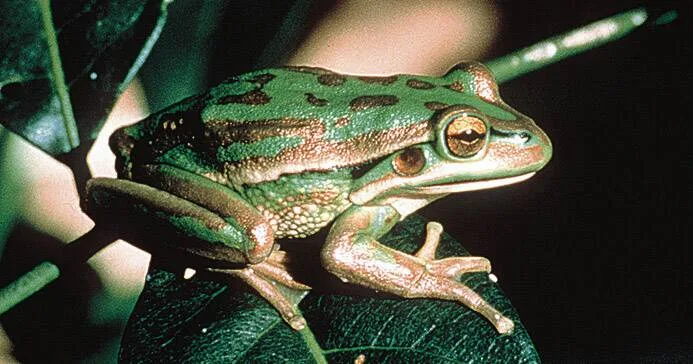
Dr. Upton plans to trial the test on green and gold bell frogs at Muddy Lake in Dora Creek. This endangered species, known for its bright green back with gold patches, grows up to 8.5 centimetres. Dr. Upton expressed concern about the species' decline, especially with the approaching El Niño and lack of rain.
Current treatments for chytrid include heat, salts, and antifungals, but Dr. Upton noted the challenge of finding treatments that target the fungus without harming other organisms in the wetland.