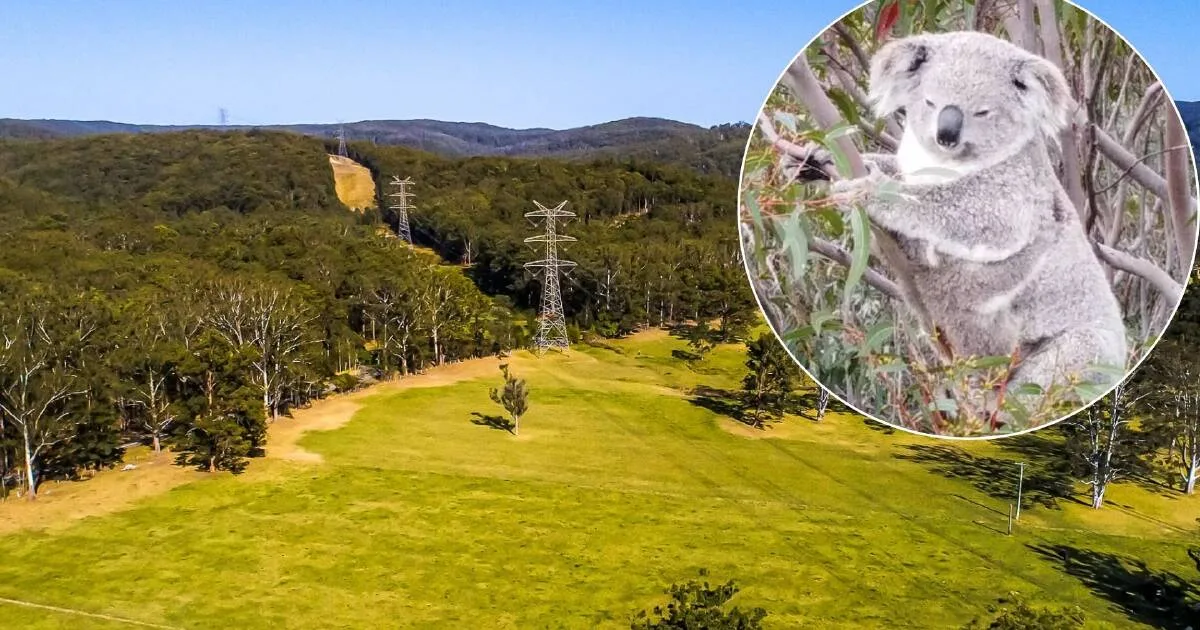
A key conservation group has strongly criticised the Hunter Transmission Project (HTP), a multibillion-dollar clean energy initiative, for its anticipated biodiversity loss. The Biodiversity Council, whose members include 11 Australian universities, submitted that the proposed route for a 500-kilovolt overhead transmission line connecting Bayswater and Eraring power stations is 'very poor from a biodiversity perspective'.
The council estimates the project will affect 66 threatened species and seven threatened ecological communities, causing 'significant and irreversible impacts' to eight plant species, six animal species, and two ecological communities. It specifically highlighted the impact on Littlejohn's Tree Frog, calling for specific actions to avoid and minimise harm.
Despite the criticism, the council acknowledged that renewable energy projects are essential to reduce carbon emissions from electricity production. However, it stressed that such projects must avoid or minimise impacts on biodiversity. The council's submission stated it was 'concerned that this project undervalued biodiversity and did not undertake sufficient avoidance'.

The HTP has also drawn concerns from other groups. The Mindaribba Local Aboriginal Land Council reported that its attempts for meaningful consultation on ecology and cultural connection were 'almost completely ignored'. The Biodiversity Council noted that engagement with First Nations culture and heritage had mostly focused on landing pages and factsheets, lacking a registered Aboriginal stakeholders' list or consultation log.
However, the project has support from some stakeholders, including the Committee for the Hunter, which called it 'vital infrastructure' for the region's transition. The committee urged utmost care to reduce community and environmental impacts, with transparency in decision-making. An EnergyCo spokeswoman thanked submitters and said the project would continue to avoid and minimise impacts to natural areas during detailed design, with a response to submissions expected in early 2026.