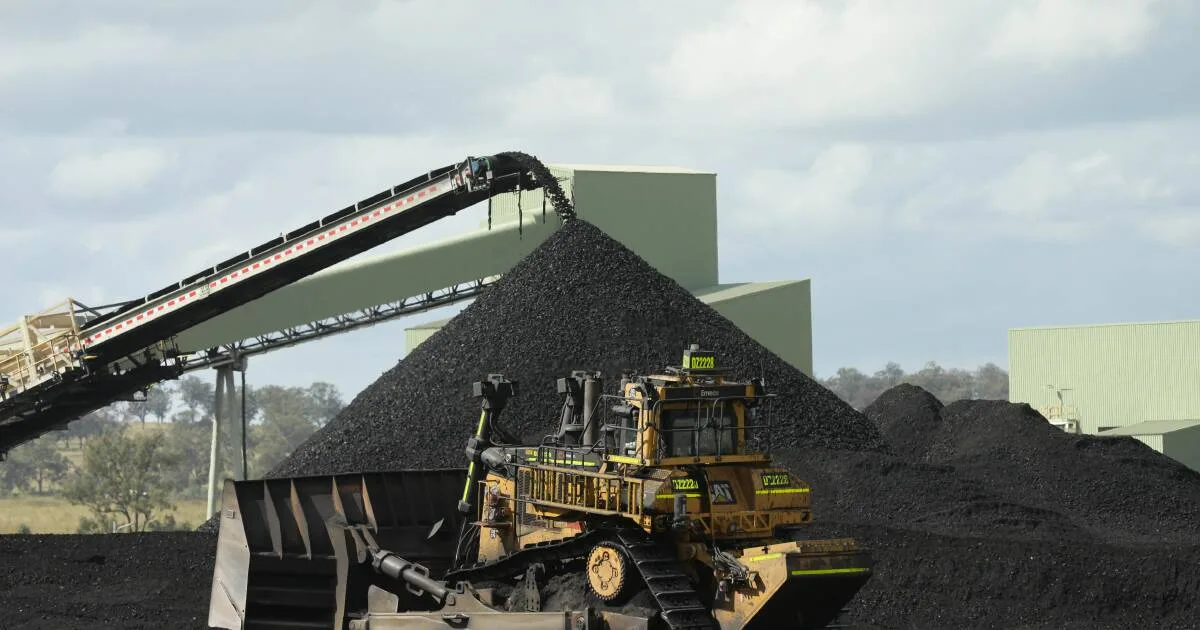
The High Court of Australia is set to hear what legal experts describe as the nation's first climate change case to reach the highest court, starting Wednesday, May 13. The case, MACH Energy Australia Pty Ltd v Denman Aberdeen Muswellbrook Scone Healthy Environment Group Inc (DAMS HEG), involves a mining company challenging a ruling that requires planning authorities to consider local climate impacts of fossil fuel projects.
The dispute stems from the approval of a major expansion of the Mount Pleasant open-cut coal mine near Muswellbrook, which would allow coal production to double to 21 million tonnes per year until 2048. The NSW Independent Planning Commission initially approved the project in 2022, but the NSW Court of Appeal unanimously ruled in July 2025 that the approval was unlawful, citing a failure to consider the local climate impacts of downstream emissions.
MACH Energy is appealing that decision, arguing for the validity of the approval. The company has also applied for a six-year extension to the mine's operations until December 2032, with an increased coal extraction rate of 12.5 million tonnes per annum, while the High Court case proceeds.

DAMS HEG, the grassroots community group challenging the mine, contends that the effect of scope 3 emissions—from burning exported coal—was not adequately considered. Group president Wendy Wales highlighted the community's experience with climate disasters, stating that short-term economic benefits cannot outweigh long-term consequences.
Four leading climate law and science institutions from the Universities of Cambridge, Columbia, and Melbourne, and the Union of Concerned Scientists, have been granted leave to intervene in support of DAMS HEG. The case is being watched internationally as a test of whether domestic law can hold fossil fuel producers accountable for local climate impacts.
Legal experts say the High Court's decision will set a binding national precedent and could influence other major climate cases, including the Pabai Torres Strait appeal and the North West Shelf challenge. Bond University climate law professor Nicole Rogers called the hearing a watershed moment for Australian law, noting that courts worldwide are grappling with similar questions about accountability for climate impacts.