Rising Heatstroke Cases in Pets Despite Owner Awareness
Extreme temperatures are causing heatstroke in pets even when they are restricted to homes and gardens, vets have warned, as parts of the UK enter a third heatwave of the year. Experts say that in the past cases of heatstroke in pets typically occurred when owners walked their dogs in the heat of the day or left them in a hot car, but cases are now being seen in animals resting at home.
Dr Katharine Nelson, director of general practice at the Royal Veterinary College, said: “We haven’t seen any heatstroke as a result of exercising dogs in the heat. So, nobody’s been walking their dogs, throwing a ball, locking them in a car – all the common ways we used to see heatstroke have not happened this time because it’s been so extreme. Everybody’s been aware and been really sensible.”
Unexpected Heatstroke Sources: Gardens and Greenhouses
But Nelson said that even so there had been a definite, albeit moderate, increase in cases of heatstroke during recent heatwaves. “They’ve been when dogs have just been allowed to wander around their own garden or they’ve had to travel somewhere so they have got stressed – we’ve seen that a lot with cats in their carriers,” she said.

Dave Martin, a vet and head of welfare at Inspiring Vet Care, agreed. “I think people are much more aware of the obvious risks,” he said. “But what we are seeing is the ones that people haven’t perhaps thought about, and that’s catching people out.” Martin said that included dogs overheating by lying in sunny gardens and cats getting trapped in greenhouses – with the heat even affecting rabbits resting in hutches and runs, particularly if there was less shade than usual.
Statistics Show 28% Increase in Suspected Heatstroke Incidents
Inspiring Vet Care said its vets dealt with 355 incidents related to suspected heatstroke in 2025, 66% of which occurred during the summer months, with the total number of cases a 28% increase compared with 2024.
“You think you’re keeping [your pet] safe, you’re doing all the obvious things, you’re following all the good advice about not putting them in the car, not walking them at midday, all of that, but still finding that it’s just that warm that we’re getting problems unexpectedly,” said Martin. Martin said high-profile campaigns – such as those to prevent dogs being left in hot cars – had worked well. “But it’s just that problem of we are getting some really unusually warm days and some dogs that are just very at risk of heat stress. And those two combinations mean that they are just getting hot and bothered just being in the garden, in the house,” he said.
High-Risk Breeds and Signs of Heatstroke
Nelson said heatstroke was much more common in flat-face breeds, those with thick coats and those with respiratory problems or heart disease. “Dogs that have been stable on medicine, the hot weather has pushed them over into not being stable. And again, that’s not because the owners have been exercising them or doing silly things, it’s just been from the temperature.” She added: “We’ve even seen a guinea pig with heat stress.” Other signs that pets are struggling in the heat are heavy panting, confusion, lethargy and vomiting.
Advice for Keeping Pets Cool
Nelson said advice aimed at keeping homes cool for humans was also important for pets, such as closing curtains during the day and keeping windows closed when the temperature is higher outside then opening them when the situation reverses. She also said in extreme temperatures, dog owners should be prepared to skip walks altogether, adding physical exercise could be replaced with mental stimulation such as playing scent games indoors until temperatures return to normal.
Nelson said cats were most likely to suffer from the heat if they were stressed. “So postpone stressful activities and travel if possible until temperatures drop. If cats do need to travel then a well-ventilated box with a damp towel on the bottom, in an air conditioned vehicle is the safest way to transport them.”

Practical Tips from Vets
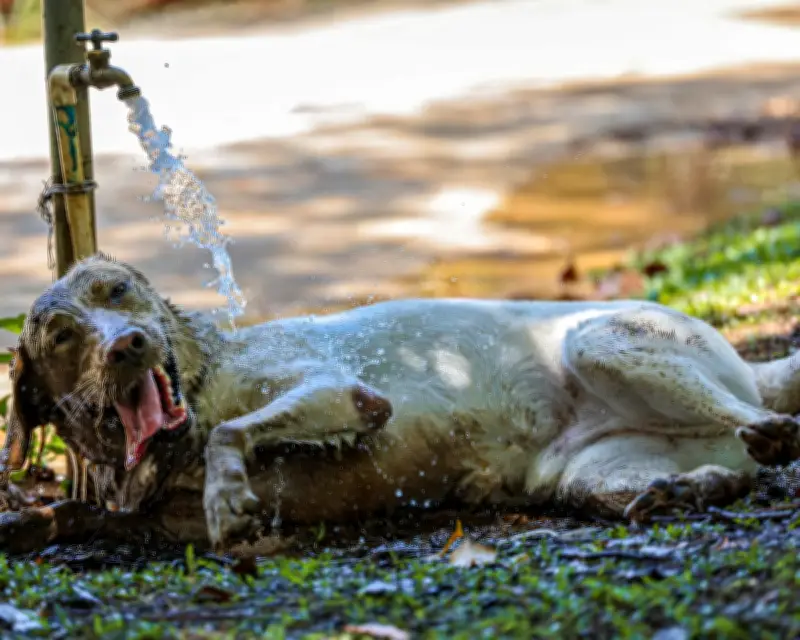
Martin said owners should ensure pets had plenty of water, while fans could also be helpful. He also suggested using a hose, sprinkler or watering can to wet them, because as the water evaporated it would cool the pet. He said owners of dogs that were not clipped could consider removing hair around their undercarriage to help them cool down. He added: “Fundamentally, if we’re somewhere that we’re feeling too warm, the pet will also be feeling too warm.”