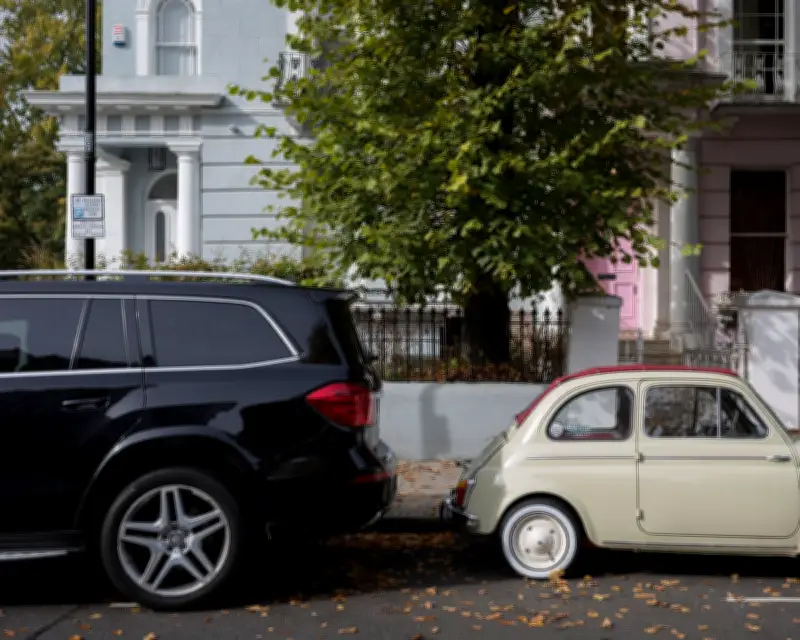
A new study has found that the growing trend of carspreading—the increase in vehicle size—has directly contributed to a significant rise in crash-related deaths. Researchers from the University of Adelaide analyzed crash data from 2015 to 2025 and discovered that fatalities increased by 25% over the period, with larger vehicles such as SUVs and pickup trucks accounting for a disproportionate share of the deaths.
Study Details and Key Findings
The study, published in the journal Traffic Injury Prevention, examined data from the Australian Road Deaths Database and the National Coronial Information System. It found that the average weight of new vehicles sold in Australia has increased by 15% over the past decade, while the average height has risen by 10%. This trend, dubbed carspreading, has made vehicles more dangerous for pedestrians, cyclists, and occupants of smaller cars.
According to lead researcher Dr. Emma Thompson, "The increase in vehicle size is a major factor behind the rise in crash fatalities. Larger vehicles are more likely to kill or seriously injure pedestrians and cyclists, and they also pose a greater risk to occupants of smaller vehicles in collisions."

Impact on Vulnerable Road Users
The study highlighted that pedestrian deaths have risen by 40% over the study period, with SUVs and trucks involved in 60% of these fatalities. Cyclist deaths also increased by 30%, with larger vehicles accounting for half of those incidents. Dr. Thompson noted that the design of modern vehicles, with higher front ends and reduced visibility, exacerbates the risk.
"A pedestrian struck by an SUV is 2-3 times more likely to die than one struck by a sedan," she said. "The trend towards larger vehicles is undoing decades of progress in road safety."
Regulatory and Industry Response
The Australian Automobile Association (AAA) has called for tighter regulations on vehicle size and weight. AAA chief executive Michael Bradley stated, "We need to address the arms race on our roads. Larger vehicles are not only more dangerous to others but also contribute to increased road wear and emissions." The federal government has announced a review of vehicle design standards, with a focus on pedestrian safety.
However, the Federal Chamber of Automotive Industries (FCAI) defended the trend, arguing that consumers choose larger vehicles for safety and practicality. FCAI chief executive Tony Weber said, "Modern SUVs and utes are safer for their occupants than ever before, thanks to advanced safety features. The issue is more about driver behavior and infrastructure."
Global Context and Future Projections
The carspreading phenomenon is not limited to Australia. Similar trends have been observed in the United States and Europe, where vehicle size has also increased. The study projects that if current trends continue, crash fatalities could rise by another 20% by 2035. Researchers recommend policies such as weight-based registration fees, pedestrian protection standards, and incentives for smaller vehicles.
"We need to reverse the trend of carspreading to make our roads safer for everyone," Dr. Thompson concluded. "This requires a combination of regulation, consumer education, and industry innovation."