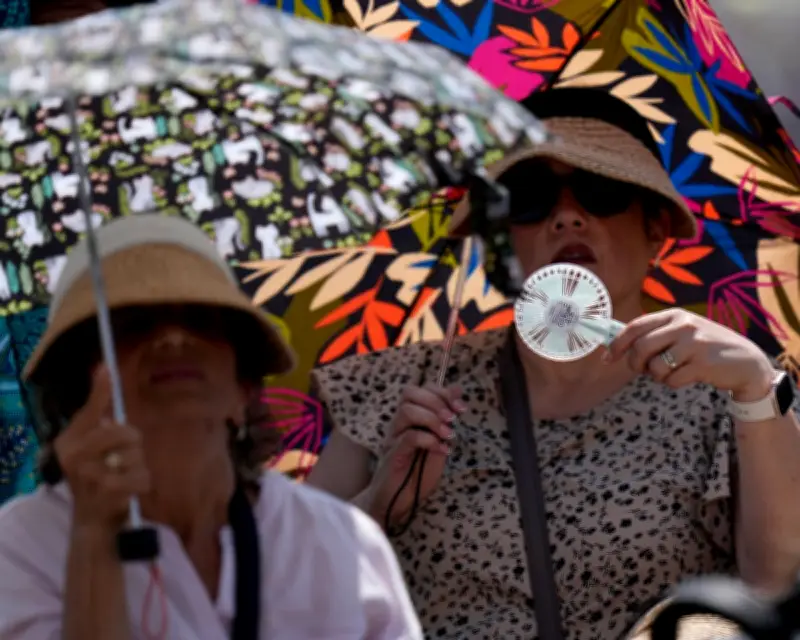
As temperatures soar during extreme summer heat waves, choosing the right clothing can be a matter of health and comfort. Experts emphasize that fabric, color, and fit play crucial roles in regulating body temperature and preventing heat-related illnesses.
Why Fabric Matters
Natural fibers such as linen, cotton, and bamboo are highly breathable and allow sweat to evaporate quickly, cooling the body. Synthetic materials like polyester and nylon trap heat and moisture, increasing the risk of overheating. According to Dr. Sarah Johnson, a dermatologist at the University of Sydney, "Linen is one of the best choices because it has a loose weave that promotes air circulation."
Color and Fit
Light colors reflect sunlight, while dark colors absorb heat. White, beige, and pastel shades are ideal for keeping cool. Loose-fitting clothing allows air to flow around the body, whereas tight garments can restrict ventilation and cause chafing. A study published in the Journal of Thermal Biology found that wearing loose, light-colored clothing can reduce skin temperature by up to 2°C compared to tight, dark clothing.

Sun Protection
In addition to staying cool, protection from UV rays is essential. Long-sleeved shirts and wide-brimmed hats made from tightly woven fabrics offer the best defense. Many brands now offer clothing with a UPF (Ultraviolet Protection Factor) rating. The Cancer Council recommends a UPF of 50+ for maximum protection. "Don't forget to cover your neck and ears, which are often neglected," adds Dr. Johnson.
Footwear and Accessories
Open-toed shoes or sandals allow feet to breathe, but ensure they provide adequate support. Sunglasses with UV protection and a hat with a brim of at least 7.5 cm are recommended. Avoid wearing dark, heavy shoes that can trap heat.
Special Considerations for Vulnerable Groups
Elderly individuals, infants, and those with chronic conditions are more susceptible to heat stress. They should wear lightweight, light-colored clothing and stay in shaded or air-conditioned environments during peak heat hours. The Australian Department of Health advises that children's clothing should be light and breathable, and they should be encouraged to drink water frequently.
Conclusion
Choosing the right clothing during extreme heat is a simple yet effective strategy to stay safe. Prioritize natural fibers, light colors, and loose fits, and don't forget sun protection. As climate change leads to more frequent and intense heat waves, these tips become increasingly vital for everyone.