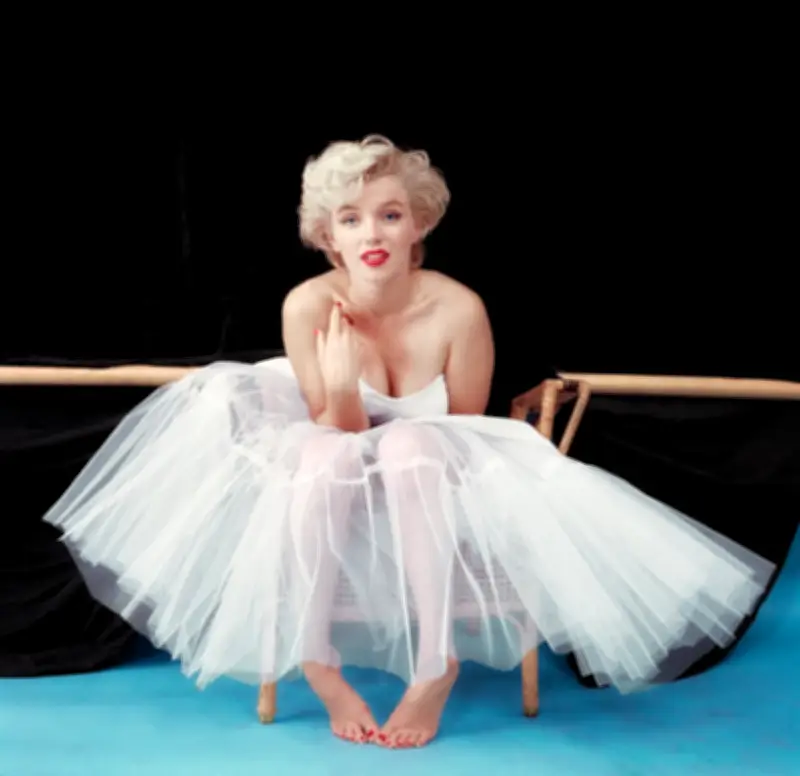
A new exhibition at the National Portrait Gallery in London offers a comprehensive look at the life, career and enduring legacy of Marilyn Monroe, one of the most photographed and iconic figures of the 20th century. Titled Marilyn Monroe: A Portrait, the exhibition runs until 6 September and features portraits created by many of the greatest photographers and artists of the past 100 years.
From Norma Jeane to Global Icon
Born Norma Jeane Mortenson on 1 June 1926, Monroe remains a defining presence in popular culture. The exhibition traces her journey from early pin-up photographs taken when she was a young model, to her final interview for Life magazine and poignant images on Santa Monica beach in 1962. She was one of the most photographed people in the world, and this exhibition captures that extraordinary visual legacy.
Early Years and Discovery
While working in a munitions factory, Monroe was photographed by documentary photographer David Conover, who suggested a modelling career. Her image quickly appeared on numerous magazine covers, catching the attention of movie talent scouts. In 1946, she signed her first contract with 20th Century Fox, who advocated for a name change from Norma Jeane to Marilyn Monroe.

Intimate Portraits and Artistic Collaborations
The exhibition includes a range of intimate portraits. One notable image shows Monroe reading Ulysses by James Joyce on Long Island, New York, in 1955. Photographed by Eve Arnold, the session captured Monroe at an abandoned children's playground near Mount Sinai, revealing her intellectual curiosity. Another striking portrait, The Swimming Pool Sitting from 1956, shows a young freckle-faced star enjoying a cool swim, offering a glimpse of her private side.
In 1956, Monroe worked with photographer Milton H. Greene on Bus Stop, her most dramatic role to date. That same year, she married playwright Arthur Miller and converted to Judaism. She also appointed British theatre legend Sir Laurence Olivier as director and co-star of The Prince and the Showgirl (1957), filmed in London. Cecil Beaton captured her in a bromide print that year, now part of the National Portrait Gallery's collection.
Later Years and Artistic Tributes
Looking for a fresh start in 1962, Monroe returned to Los Angeles and bought her first home, a hacienda-style house in Brentwood. She gave a candid interview to Life magazine, accompanied by photographs by Allan Grant. In the interview, she famously said: 'I've been in the movie industry for 15 years and I never once felt like a star. If I was a star, it was the people who made me one, not a studio or any single person.'
Monroe's death in 1962 was headline news worldwide, sparking an outpouring of grief. In his eulogy, Lee Strasberg described her as 'ever avid for life and reaching out for fulfilment.' The exhibition features works by artists who responded to her death, including Pauline Boty's Colour Her Gone (1962) and The Only Blonde in the World (1963), as well as Andy Warhol's iconic Green Marilyn (1962). Warhol's cycle of Marilyns powerfully evokes the disjuncture between her public persona and private tragedy.
The exhibition Marilyn Monroe: A Portrait is at the National Portrait Gallery, London until 6 September. It offers a unique opportunity to see how Monroe inspired generations of artists and photographers, cementing her status as a timeless cultural icon.