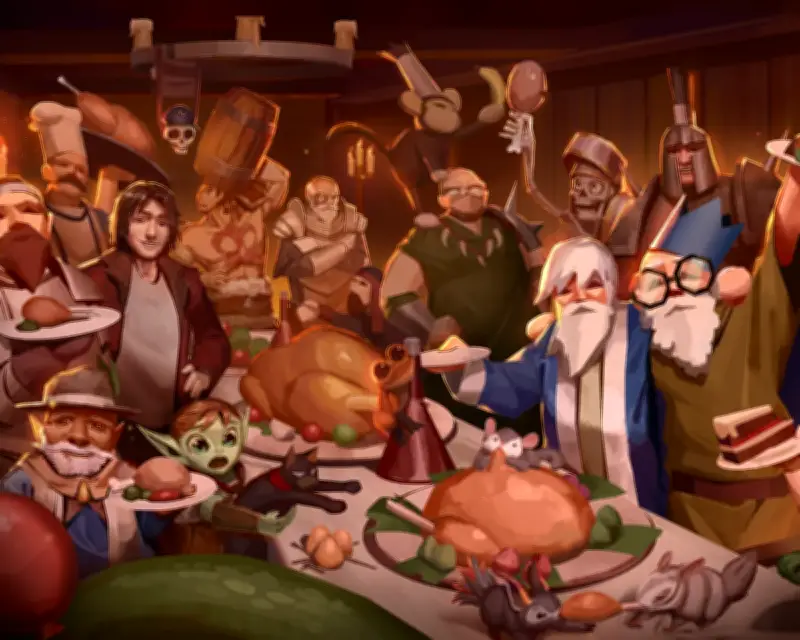
RuneScape, the massively multiplayer online role-playing game (MMORPG) developed by Jagex, has reached a remarkable milestone: 25 years of continuous operation. Launched in January 2001, the game has outlasted many of its contemporaries, including EverQuest and Ultima Online, and remains a vibrant and profitable title. Its longevity is a testament to a unique combination of factors: a dedicated development team, a loyal and engaged community, and a willingness to evolve while staying true to its core identity.
Constant Evolution and Core Stability
One of the key reasons for RuneScape's survival is its constant evolution. The game has undergone major graphical overhauls, including the transition from its original 2D isometric view to a fully 3D engine in 2008. In 2013, Jagex launched RuneScape 3, a major update that introduced a new combat system and improved graphics. However, the company also recognized the strong attachment players had to the older version and launched Old School RuneScape (OSRS) in 2013, a version based on a 2007 backup of the game. OSRS has since become incredibly popular, with its own development team and regular content updates, effectively giving the franchise two distinct games that cater to different player preferences.
A Unique Subscription Model
RuneScape's business model has also contributed to its longevity. The game operates on a free-to-play model with a subscription option for members, which provides access to additional content, skills, and areas. This model allows players to try the game without financial commitment, building a large user base. According to Jagex, the game has over 200 million registered accounts. The subscription revenue provides a steady income stream, funding ongoing development. In an industry where many MMORPGs have moved to buy-to-play or free-to-play with microtransactions, RuneScape's hybrid model has proven resilient.

Community and Nostalgia
The game's community is another critical factor. RuneScape has fostered a strong sense of nostalgia, with many players returning years after they first started. The game's low system requirements have also made it accessible to a wide audience, including players in regions with less powerful computers. The developers actively engage with the community through polls, feedback sessions, and in-game events. “Our players are the heart of RuneScape,” said Phil Mansell, CEO of Jagex. “Their passion and feedback have shaped the game for 25 years, and we are committed to listening to them as we look to the future.”
Challenges and the Future
RuneScape has not been without challenges. It has faced competition from newer MMORPGs like World of Warcraft and, more recently, from games like Final Fantasy XIV. It has also dealt with controversies, including botting and gold farming, which Jagex has combated with anti-cheat measures. The game's aging engine has also been a concern, but Jagex has continued to update it, with plans for a mobile version of OSRS and further graphical improvements. As it enters its next 25 years, RuneScape's ability to adapt while preserving its core appeal will be key. With a dedicated team and a passionate community, the game seems poised to continue its legacy.