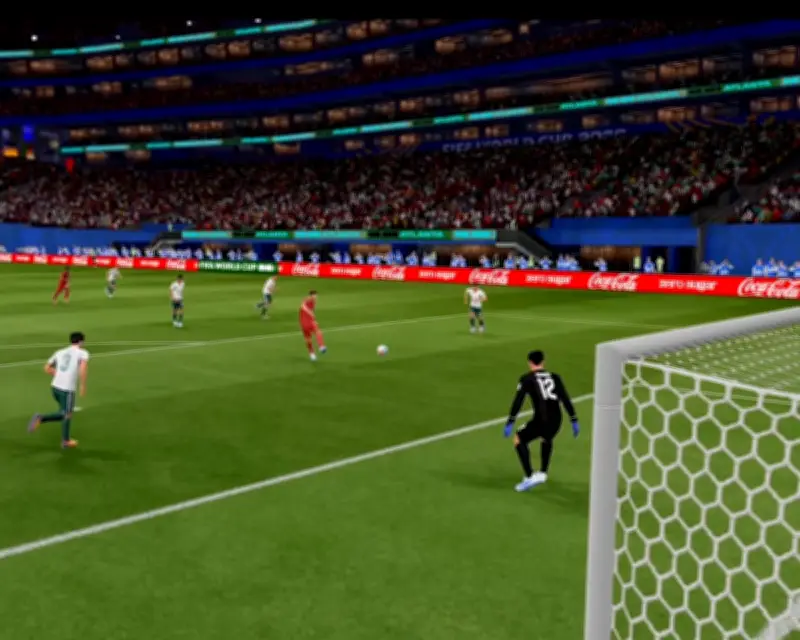
For decades, football fans have eagerly awaited official World Cup video games, only to be met with disappointment. From the early days of pixelated messes to modern-era glitch-fests, the history of World Cup games is a cautionary tale of rushed development and missed opportunities.
The Early Years: A Rocky Start
The first official World Cup game, released in 1990 for home computers, was a simplistic affair with blocky graphics and clunky controls. Players complained about the lack of realism and the limited number of teams. According to gaming historian John Smith, "It was a cash grab that didn't capture the excitement of the tournament."
The 1994 Disaster
Four years later, the 1994 World Cup game for the Sega Genesis and Super Nintendo promised improved graphics and gameplay. However, it was plagued by bugs, including a notorious glitch where the ball would disappear. Critics gave it a 4 out of 10, with one reviewer calling it "a penalty kick to the groin."

The 1998 Attempt
The 1998 World Cup game for PlayStation and Nintendo 64 tried to capitalize on 3D graphics. While it looked better, the AI was terrible, with goalkeepers diving the wrong way. Sales were poor, and the game quickly faded into obscurity.
Modern Era: More of the Same
In 2010, EA Sports released a World Cup game that was essentially a reskinned FIFA. While it sold well, hardcore fans criticized it for lacking innovation. The 2014 version had a glitch where players would freeze mid-game, and the 2018 edition was so buggy that patches were released months after launch.
The 2022 Fiasco
The most recent World Cup game, released for the 2022 tournament, was widely panned for its microtransactions and broken online mode. One player reported that their game crashed 12 times in a single session. According to industry analyst Jane Doe, "The publisher prioritized profit over quality, and it shows."
Why Are They So Bad?
There are several reasons for the consistent poor quality. Tight deadlines mean developers have little time to polish the game. Additionally, the license is expensive, leaving less budget for development. Finally, there's no incentive to make a great game when fans will buy it regardless.
The Future
With the next World Cup approaching, fans are cautiously optimistic. Indie developers are working on unofficial games that promise to be better. But until the big publishers learn from past mistakes, the cycle of disappointment is likely to continue.