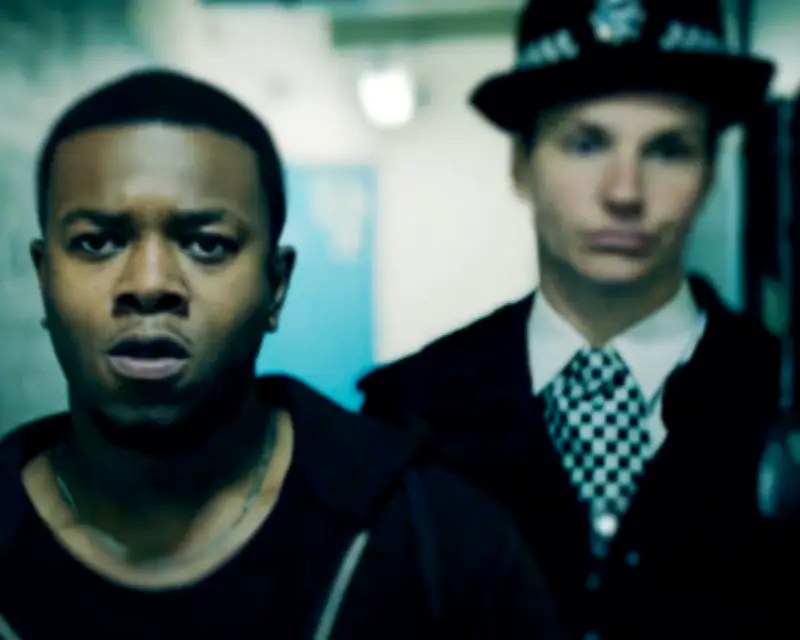
A new four-part television documentary has revived scrutiny of a controversial undercover police operation in north London, where officers posed as music industry figures to gather intelligence on gang crime. Operation Peyzac, launched by the Metropolitan Police in 2008, led to 37 convictions and over 400 years of jail time, but critics now argue the tactics crossed ethical lines.
The Operation and Its Aftermath
After a spate of violence, including five murders in the Tottenham area, police set up a fake recording studio called Boombox on a housing estate. The studio offered aspiring musicians access to recording facilities and mentorship, creating what participants described as a rare opportunity in an area with few resources for young people. Undercover officers posed as music industry figures to gather intelligence on gang crime, drugs, and firearms offences.
Eighteen years later, opinions remain divided over the ethics of the tactics used. Human rights campaigners and some of those convicted argue the operation crossed ethical lines, while officers insist it helped prevent further bloodshed and disrupted serious criminality.

Allegations of Coercion
Several of those convicted claim they felt pressured by officers to acquire firearms and drugs, fearing they would lose access to the recording studio, opportunities in the music industry, and the mentorship they believed was being offered if they refused. Kyron, a lead contributor to the documentary who did not wish to give his last name, said participants described the operation as a form of grooming. "They knew about our financial issues, they knew about our family issues, the breakdown in our communities. They knew all of these things and they used that against us as a tool."
But former officers and the Metropolitan Police vehemently reject these allegations. A Met spokesperson said: "The Met strongly rebuts allegations that those convicted as part of this operation were coerced or manipulated into criminality." Retired DI Rob Murray, who oversaw the operation, described the backdrop: "The stark reality was five young black men lost their lives, and in addition to that other men had been injured and stabbed and conventional tactics unfortunately hadn't worked."
Legal and Ethical Debates
The allegations of questionable tactics echo arguments raised during the original court proceedings. Defence lawyers initially put forward an abuse of process argument, claiming the operation amounted to entrapment and evidence gathered through the undercover operation should be ruled inadmissible. The judge rejected claims that the Boombox studio itself amounted to a "honey trap" and allowed the case to proceed. After that ruling, many defendants were advised to plead guilty.
Oya Suleyman, of EBR Attridge solicitors, who represented two of the young men charged with serious offences, described Boombox as a warning shot. "It's a crystal ball into the bleak future of judge-only trials. I urge the justice secretary to watch it and examine his conscience. If we lose juries in the way he plans, the people here in Tottenham are exactly the kind that will suffer disproportionately."
Calls for Further Investigation
Campaigners are now circulating the documentary among ministers in the hope it will prompt wider debate about undercover policing, similar to how Mr Bates vs the Post Office and Adolescence helped drive national debate about social policy. Shami Chakrabarti, the former director of Liberty, said: "I do believe that the undercover officers in Operation Peyzac crossed a number of lines and groomed, enticed, incited and at times even coerced at least some of the young men and boys they were 'investigating'." She called for the operation to be examined by the ongoing undercover policing inquiry and for stronger safeguards around undercover operations.

Neil Woods, a former undercover police officer who spent 13 years infiltrating drug gangs, said when he worked undercover there were clear instructions prohibiting officers from acting as agent provocateurs. "So the line is quite clear and, in my view, this operation absolutely stepped over this line in a really sinister way." Chakrabarti and Woods noted that if Operation Peyzac had taken place today, undercover officers may have been able to go further because of changes introduced by the Covert Human Intelligence Sources (Criminal Conduct) Act 2021, which expanded the powers available to covert operatives.
Officers Defend Their Work
Murray said he agreed to participate in the documentary because he wanted to challenge what he described as a "false narrative" that "horrible, nasty police fitted up a load of completely innocent people – which of course is absolutely not true." Fish, another undercover officer featured in the documentary, also rejected accusations of grooming. "I cannot enter into a conversation with someone who isn't talking about criminality. I cannot just go up to someone and start talking about criminality or say, 'can you get me a gun, can you get me drugs?' All these people initiated the conversation." He added: "I was so proud of the job that we did because it was probably the hardest job I'd ever done."
A Social Tragedy
Toby Paton, the documentary's director, said the central question raised by the documentary is ultimately a social rather than legal one. "The young men in the series needed help. They needed the real Boombox. They needed support. That's the tragedy of it."