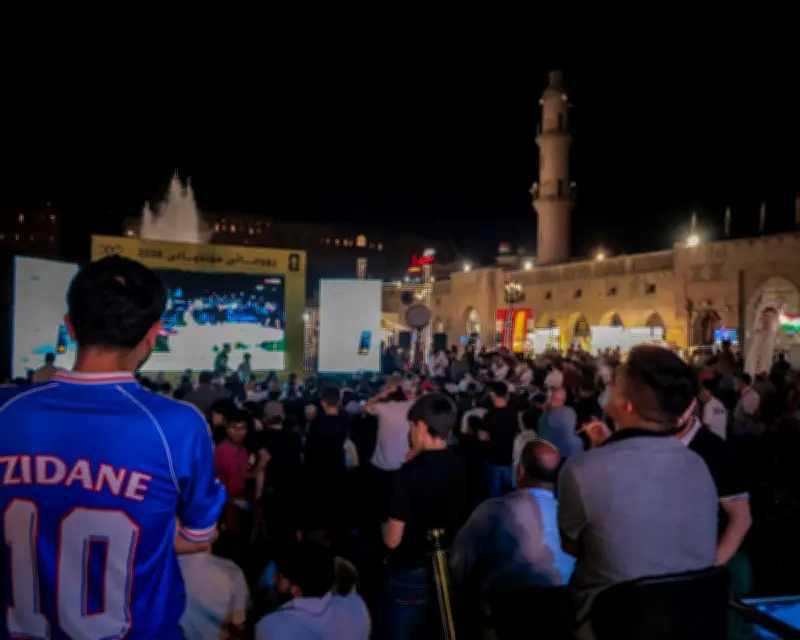
Arabic football commentators at the World Cup have become cultural icons, using poetic language and historical references to ignite fan fervor. Their unique style transforms matches into epic narratives, drawing on centuries of Arabic poetry and storytelling.
The Art of Commentary
Unlike their Western counterparts, Arabic commentators often employ classical Arabic, rich with metaphors and similes. They compare players to legendary warriors and goals to historic victories. For instance, when a player scores, a commentator might exclaim, "He struck like a desert storm!" This approach not only describes the action but also elevates it to a mythic level.
According to Dr. Nadia Al-Sayed, a linguistics professor at Cairo University, "The commentary is a performance art. It connects the audience to their heritage and amplifies the emotional stakes of the game." This style has been honed over decades, with iconic voices like Issam Al-Shawali and Khalid Al-Dossary becoming household names.

Fueling Fan Passion
The poetic commentary has a direct impact on fan engagement. Social media buzzes with clips of memorable calls, and fans mimic their favorite phrases. During the 2022 World Cup, a single goal call by Al-Shawali garnered over 10 million views on YouTube within 24 hours. This phenomenon has turned commentators into celebrities, with some even sponsoring products.
"When I hear that voice, my heart races," said Ahmed, a 28-year-old fan from Dubai. "It makes me feel like I'm part of something bigger than football. It's our culture, our language, our pride."
Cultural Significance
The commentary style is deeply rooted in Arab culture, where oral poetry has long been a means of preserving history and expressing emotion. Football provides a modern canvas for this tradition. Commentators often weave in verses from famous poets, such as Al-Mutanabbi, to underscore a moment's significance.
This fusion of sport and poetry has also attracted academic interest. A study by the University of Qatar found that Arabic commentary increases viewer retention by 30% compared to neutral commentary, as it creates a more immersive experience.
Global Recognition
The unique approach has gained international attention. Broadcasters like beIN Sports have capitalized on this by promoting Arabic commentary packages for global audiences. Some non-Arabic speaking fans have even learned Arabic phrases to better appreciate the commentary.
As the World Cup continues, the role of these commentators is likely to grow. They are not just narrators but custodians of culture, ensuring that each match is remembered not just for the score, but for the words that accompanied it.