In Adventures in the Screen Trade, William Goldman recounts a true story of a firefighter who risked his life to save a baby from a burning building. Goldman notes that such real-life heroism, while astonishing, is expected of movie heroes before the opening credits. The same principle applies to television: genuinely traumatic events can be flattened into nothingness by the medium's demands. This is the fatal flaw of Worst Neighbor Ever, a four-part Netflix true-crime documentary series that tells four stories of ordinary people whose lives were shattered by terrible neighbors. In a country with lax gun control, these disputes often ended in tragedy.
Episode 1: The Scott Family Tragedy
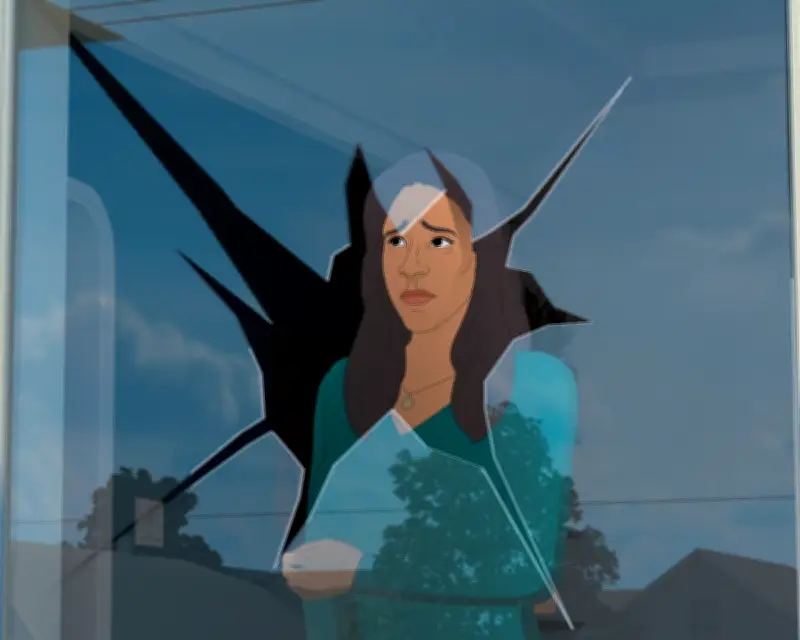
The first episode follows Shawna and David Scott, who endured years of harassment from Frances Zaayer, a woman they had known since childhood. Frances lived with Shawna after a divorce but was asked to leave due to unreasonable behavior, including demanding Shawna not clean too early, shouting at the Scotts' grandson, and proudly showing videos of her anti-Islam protests. She bought the house across the street and began an escalating campaign of harassment. Despite Shawna taking her to court on trumped-up assault charges and police attending virtually daily, Frances believed the Scotts were never punished because David worked for the local prison. Eventually, she approached the house with a gun, shot Shawna in the face, and killed David. A neighbor's 911 call captures the horror: "It's this crazy motherfucker they've been dealing with for years." Frances was sentenced to 35 years for murder, second-degree assault, and wanton endangerment, eligible for parole in 2038.
Episode 3: Drug Addiction and Murder
The third installment tells a similar tale, with drug addiction playing a prominent role. Jamal Thomas was squatting in the property next to Miles and Melina Armstead when they moved in. After five months of smashed windows and threats, the Armsteads moved out. While Miles was tidying the garden to prepare the house for sale, Thomas shot him. The episode suggests police could have done more to protect the family, and race may have played a role in their lack of interest.

Other Episodes: Explosion and Dismemberment
Another episode covers an explosion deliberately caused by Mark Leonard and his girlfriend Monserrate Shirley (three others were convicted) to collect insurance money, killing neighbors Dion and Jennifer Longworth. Yet another focuses on a woman who dismembered and disposed of the body of Charles Wilding, who died of natural causes, to carry out an elaborate fraud.
Exploitative and Shallow
These are terrible stories involving unfathomable grief. A line from a letter written by Miles's mother—"My son, my one and only … I long for you and I always will"—will undo any sentient viewer. But in the absence of deeper analysis, the series feels exploitative. It does little more than remind us that bad people exist and can cross our paths at any time. The best true-crime documentaries probe weaknesses in institutions, ask about motivations and childhood traumas, and explore whether anyone is born evil or if we are all capable of becoming it. Worst Neighbor Ever is far from the best of anything. It is filler television, inviting us to goggle and whisper "there but for the grace of God."
Conclusion
Worst Neighbor Ever is now streaming on Netflix. It offers four horrifying stories but lacks the depth needed to grapple with their implications, leaving viewers with little more than shock value.