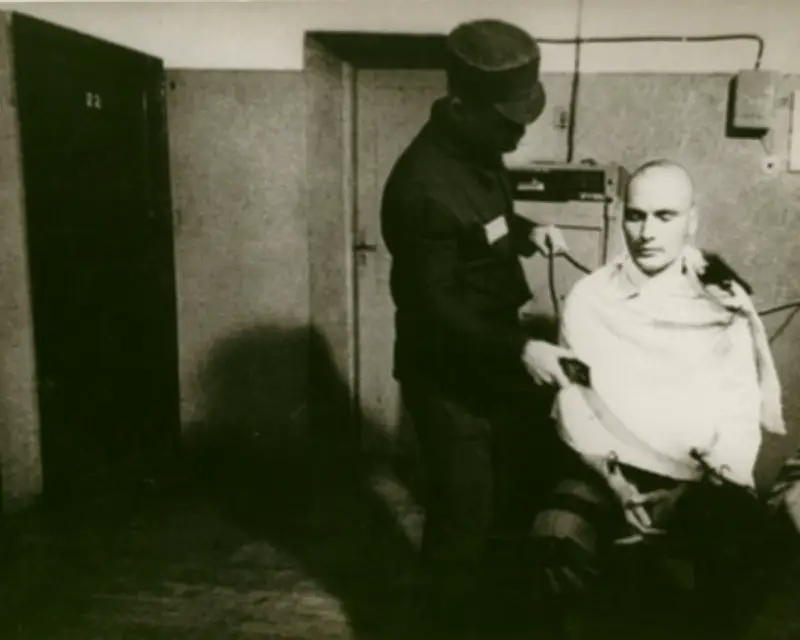
Mark Cousins, the acclaimed filmmaker and film historian, continues his epic journey through the history of documentary cinema with the latest installment of his series, The Story of Documentary Film: The 1980s. This episode, much like its predecessors, educates and intrigues, offering a comprehensive look at the documentary landscape during a transformative decade.
A Decade of Change
The 1980s were a period of profound political and social upheaval, and Cousins captures this through the lens of documentary filmmaking. The episode highlights how documentaries of the era responded to the rise of neoliberalism, the end of the Cold War, and the emergence of new social movements. According to Cousins, "The 1980s were a time when documentary filmmakers had to adapt to a rapidly changing world, and they did so with remarkable creativity and courage."
Key Films and Filmmakers
The episode features a rich array of films from around the world. Cousins examines works like The Thin Blue Line (1988) by Errol Morris, which revolutionized the true-crime genre with its stylized reenactments. He also delves into the politically charged documentaries of the era, such as Roger & Me (1989) by Michael Moore, which marked the beginning of Moore's career as a provocative filmmaker. According to Cousins, these films "challenged the conventions of documentary storytelling and pushed the boundaries of what the form could achieve."

Global Perspectives
One of the strengths of Cousins' series is its global scope. This episode is no exception, featuring documentaries from Africa, Asia, and Latin America. For instance, Cousins highlights Sans Soleil (1983) by Chris Marker, a French filmmaker whose essayistic style defied easy categorization. He also looks at the work of African filmmakers like Ousmane Sembène, whose Camp de Thiaroye (1988) documented the brutal suppression of African soldiers by the French army.
The Impact of Technology
The 1980s also saw significant technological advancements that transformed documentary filmmaking. The advent of lightweight cameras and portable sound equipment allowed filmmakers to shoot in more intimate and spontaneous ways. Cousins notes that "the democratization of filmmaking technology in the 1980s gave voice to previously marginalized communities, enabling them to tell their own stories." This is evident in the rise of video activism and the use of documentary as a tool for social change.
Critical Reception
The episode has been praised by critics for its depth and accessibility. The Guardian described it as "a masterclass in film history, delivered with Cousins' trademark passion and erudition." The series continues to be a valuable resource for both film scholars and general audiences, providing a nuanced understanding of documentary film's evolution.
Conclusion
The Story of Documentary Film: The 1980s is a compelling addition to Mark Cousins' ongoing project. It not only educates viewers about the documentary films of the decade but also invites them to reflect on the enduring power of the form. As Cousins himself says, "Documentary film is not just about capturing reality; it's about interpreting it, questioning it, and ultimately, changing it."