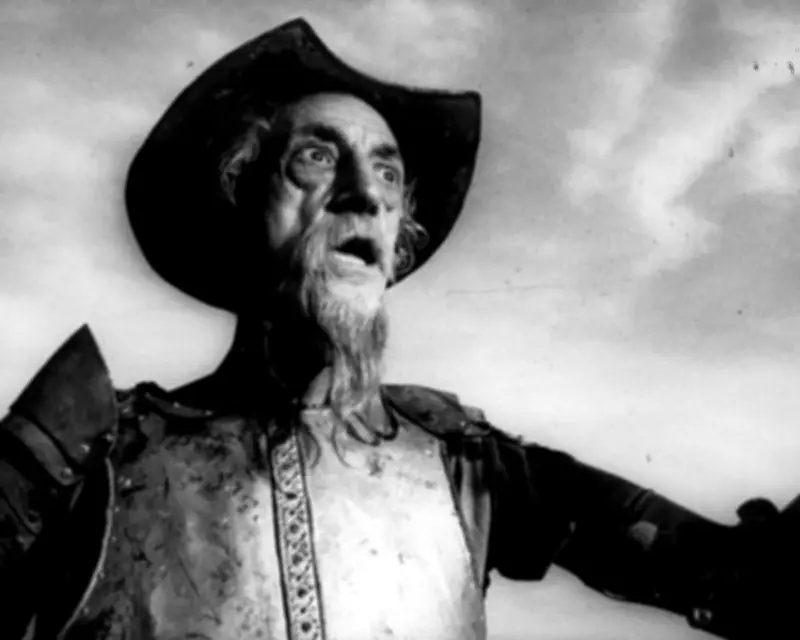
Orson Welles' unfinished adaptation of Don Quixote, a project he worked on sporadically for over two decades, has been painstakingly restored and will finally see the light of day at the Venice Film Festival in September. The film, which Welles began in 1957 and never completed, has been reconstructed from hours of footage scattered across archives in Europe and the United States.
The Restoration Journey
The restoration was led by film historian and archivist Catherine Benamou, who spent 15 years tracking down and assembling the material. According to Benamou, the project involved piecing together over 300 cans of film, including outtakes, alternate scenes, and notes left by Welles. The final version runs approximately 120 minutes, though Welles had envisioned a longer epic.
Benamou stated, 'This is not just a reconstruction; it's a resurrection of Welles' vision. We followed his detailed notes and storyboards to create the closest possible approximation of what he intended.'

Historical Context
Welles' Don Quixote was a passion project that he financed himself, often using money from acting gigs. He shot on location in Mexico and Spain, using local actors and non-professionals. The film was meant to be a modern-day adaptation, with Quixote and Sancho Panza traveling through a contemporary world.
The project stalled due to funding issues, Welles' perfectionism, and his involvement in other films. After his death in 1985, the footage was stored in various vaults, some deteriorating.
Impact and Legacy
The restoration has been hailed as a major cinematic event. The Venice Film Festival will host the world premiere, with a wider release planned for later this year. Film critic Peter Bradshaw called it 'one of the most anticipated restorations in film history.'
According to the Orson Welles Estate, the film includes scenes that offer a unique glimpse into Welles' creative process. 'It's a testament to his genius and determination,' said Beatrice Welles, the director's daughter.