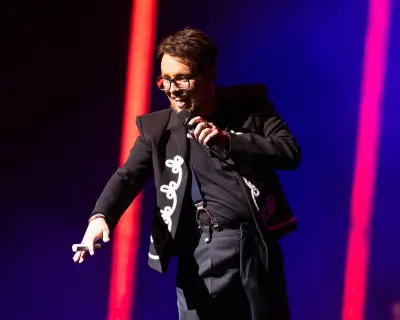
The Australian War Memorial has come under fire for its handling of public engagement and education regarding the Shellal Mosaic, a World War I archaeological artifact on display. Documentary maker Marc Fennell expressed frustration over the institution's refusal to grant access to him and his TV crew, suggesting the denial may be linked to the mosaic's origin in Gaza.
Fennell's Criticism
In a recent commentary, Fennell stated, "I'm done being polite about stolen history: Marc Fennell," highlighting the memorial's inadequate approach. He questioned whether the word 'Gaza' played a role in the decision to block access, given the mosaic's provenance from the Gaza region.
The Shellal Mosaic
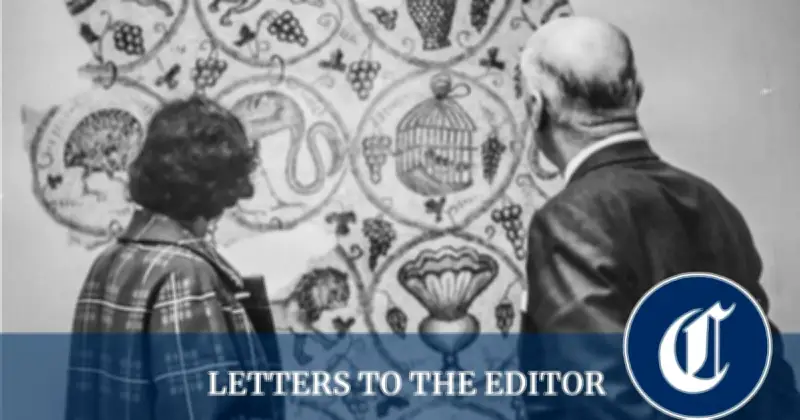
The Shellal Mosaic is a well-preserved Byzantine-era floor mosaic discovered in 1917 by Australian soldiers during World War I near Shellal, in what is now the Gaza Strip. It was brought to Australia and has been displayed at the War Memorial since 1941. The artifact is cemented into the memorial's structure, making it a permanent fixture.

Access Denied
Fennell, an Australian journalist and documentary maker, sought permission to film the mosaic for a project examining contested heritage. However, the War Memorial denied his request, citing unspecified reasons. Fennell believes the refusal stems from the mosaic's connection to Gaza, a region embroiled in ongoing conflict.
War Memorial's Response
The Australian War Memorial has not publicly commented on the specific denial of access to Fennell. However, the institution maintains a policy of preserving and interpreting Australia's military history, with a focus on the experiences of Australian servicemen and women. Critics argue that this approach can sometimes lead to the exclusion of broader historical contexts.
Broader Implications
The incident raises questions about how cultural institutions handle artifacts with contested histories. The Shellal Mosaic is a symbol of both Australia's wartime involvement and the complex heritage of the Middle East. Fennell's experience underscores the challenges of addressing 'stolen history' and the need for transparent public engagement.
Expert Opinions
Historians and museum professionals have weighed in, noting that while institutions must manage sensitive narratives, denying access to researchers can undermine public trust. According to Dr. Sarah Johnson, a museum studies expert, "Transparency is key in addressing contested artifacts. Denying access only fuels speculation and hinders education."
Conclusion
The controversy surrounding the Shellal Mosaic highlights the delicate balance between preserving military heritage and engaging with broader historical narratives. As Fennell continues to push for access, the War Memorial faces pressure to reassess its policies on public engagement and education.