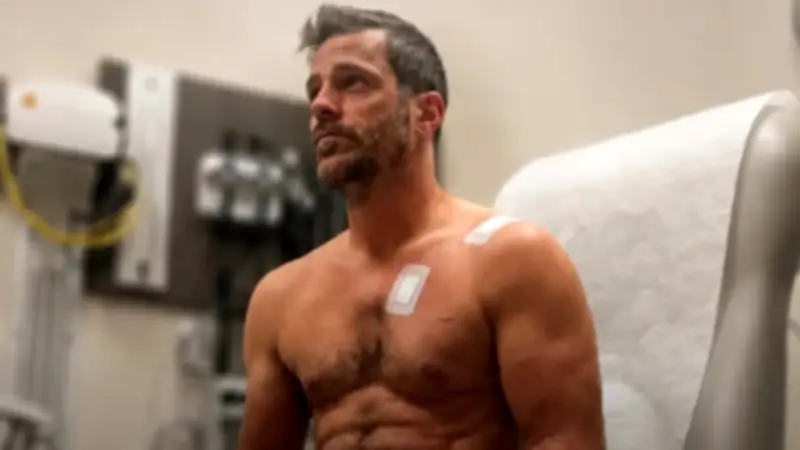
Survivor star Ken McNickle has revealed that he is battling cancer. The 43-year-old reality star rose to fame when he competed on US Survivor: Millennials vs. Gen X, where he came in second place.
He shared his tragic diagnosis on Instagram, revealing that he had been diagnosed with cancer and wished he had taken care of himself “better and sooner.” He told his followers: “As I’ve said before, if you have a health concern, don’t sit on it. Get yourself checked. There’s no valid reason not to. Not one.”
While he did not disclose which type of cancer he is battling, he shared some of the symptoms he had been suffering from before his diagnosis. “I’ve made some mistakes in the process and should have taken care of myself better and sooner,” he wrote. “Then the flood of questions. Why now? What did I do to deserve this? Why didn’t I come in sooner? After everything else, now this?”

He added: “There’s always a choice. And I’m choosing optimism, health, happiness and the knowing that the spirit has me. And most importantly I’m choosing love.”
In a later post, McNickle explained: “I waited almost a year until my skin was tearing open to get this checked. Had I gone in sooner, it would have been a simple procedure. Not a three-inch hole in my chest.”
His followers rushed to share their support. Adam Klein, who won the season of Survivor that McNickle competed on, said: “I’m deeply sorry Ken that you have to go through this. You are a strong, resilient person and cancer f**ked with the wrong guy. You got this. Sending healing energy.” Another supporter wrote: “You got this! There is always something beautiful. Behind every difficult situation.”
McNickle revealed that doctors told him the problem could have been far easier to treat had he sought help sooner. He shared that he had seen blood in his stool for months but still delayed having a growing lump checked by a medical professional. He said his reluctance to seek treatment had been shaped by attitudes towards toughness and masculinity he had grown up with.
“There’s an epidemic in regards to men’s health and we’re not giving it enough attention,” he said. “We need to be talking more about why men are 50 per cent less likely to go to a doctor for physical ailments and 60 per cent less likely to get help with mental and emotional issues. Why do you think it is? What’s [sic] needs to change?”