The Paradox of Representation
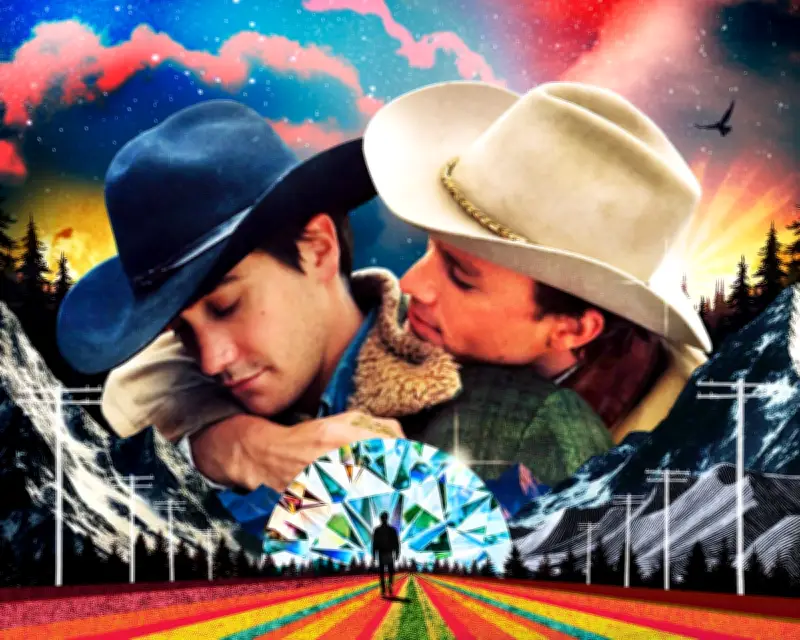
In a candid reflection, a gay man recounts how the 2005 film Brokeback Mountain, hailed as a landmark for LGBTQ+ representation, paradoxically kept him in the closet. The essay, published in The Guardian, explores the complex emotional response to seeing a same-sex love story on screen that was both validating and devastating.
A Personal Journey Through Film
The author describes watching the film in a small-town cinema, feeling a mix of hope and fear. The tragic ending, where Ennis Del Mar (Heath Ledger) is left alone after the death of Jack Twist (Jake Gyllenhaal), reinforced the notion that gay love leads to suffering. "I left the theater feeling more isolated than ever," the author writes. "The message seemed clear: being gay was a one-way ticket to heartbreak."
The Weight of Tragic Narratives
For many LGBTQ+ individuals, early exposure to media often lacks happy endings. According to a 2023 GLAAD study, only 28% of LGBTQ+ film characters had positive outcomes. Brokeback Mountain, despite its critical acclaim and four Academy Awards, contributed to this pattern. The author notes that the film's focus on internalized homophobia and societal rejection made it difficult to envision a future as a gay man.

Finding Liberation Beyond the Screen
Years later, the author found solace in other media, such as the TV show "Schitt's Creek" and the film "Love, Simon," which offered unapologetically joyful queer stories. "It took time to unlearn the lesson that Brokeback Mountain taught me," they reflect. "Representation matters, but it must be diverse, including stories of happiness and resilience."
A Call for Broader Narratives
The essay concludes with a plea for more varied LGBTQ+ stories in film and television. While Brokeback Mountain was a milestone, it inadvertently reinforced stereotypes that have long plagued queer representation. "We need stories where we live, not just survive," the author writes. "Our cultural awakening should not be a closet."